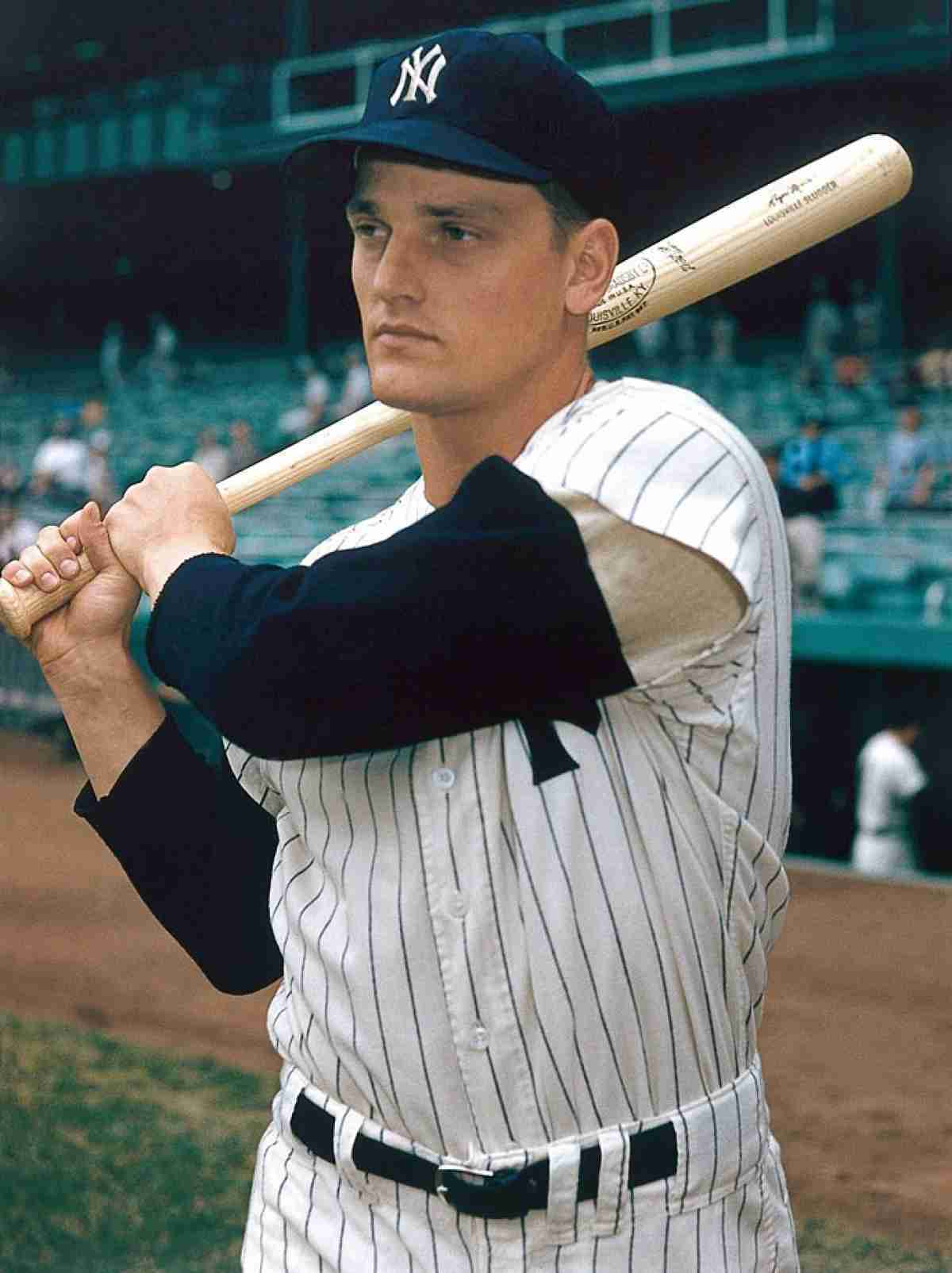
When Roger Maris arrived in the Bronx before the 1960 season through a multi-player trade with the Kansas City Athletics, few expected the quiet, crew-cut kid from Fargo, North Dakota, to immediately challenge the franchise's legendary status. Many thought he would simply serve at best as a reliable, power-hitting sidekick to Mickey Mantle. However, Maris found himself under intense pressure, propelling him into a historic period of exceptional performance that would change baseball forever and solidify his place in American folklore.
Maris didn't gradually step into the spotlight; he made a striking entrance. His swift, elegant left-handed swing, perfectly suited for Yankee Stadium's short right-field porch, allowed him to dominate American League pitching during his debut summer. He hit 39 home runs, led the league with 112 RBIs, and showcased spectacular, Gold Glove-winning right-field defense. His dynamic, multi-faceted impact helped the Yankees secure the pennant and earned Maris the 1960 American League Most Valuable Player award, cementing his superstar status before the chaos of the next summer even began.
In 1961, Maris engaged in a tense, summer-long race with teammate Mickey Mantle to break Babe Ruth's single-season record of 60 home runs. As an understated Midwesterner and outsider, he faced intense psychological pressure, with much of the New York media and his fans hoping Mantle would surpass him and claim Babe Ruth's legacy. The constant stress was so overwhelming that his hair reportedly started falling out in clumps.
Yet, Maris showed remarkable resilience under pressure. On October 1, 1961, the final game of the season, he hit a historic line-drive home run off Boston’s Tracy Stallard into right field, tying the record with his 61st homer. Instead of receiving pure praise, his achievement was quickly marred by Commissioner Ford Frick’s controversial decision to add an asterisk, citing that Maris played in a 162-game season, unlike Ruth's 154. Many casual fans overlook that his impressive 61-home-run, 141-RBI season also earned him his second straight American League MVP award, a rare back-to-back distinction that cemented his place among baseball’s legends.
Beyond just chasing home runs, Maris was a determined winner who solidified the middle of the lineup for consecutive world championship teams in 1961 and 1962. While his powerful hitting was central to his legacy, teammates often admired his exceptional baseball instincts, top-tier baserunning skills, and strong team loyalty. He hit 203 home runs over his first seven seasons in New York, helping the franchise secure five straight American League pennants.
The significant structural wear from injuries and the fatigue of the New York spotlight eventually reduced his productivity, resulting in a late-career trade to St. Louis. There, he contributed to guiding the Cardinals to two additional pennants before retiring from baseball after the 1968 season.
While the National Baseball Hall of Fame left his resume outside its plaque gallery, the Yankees honored him with a celebration on July 21, 1984, retiring his number 14 and dedicating a bronze plaque in Monument Park.
Comments powered by CComment