
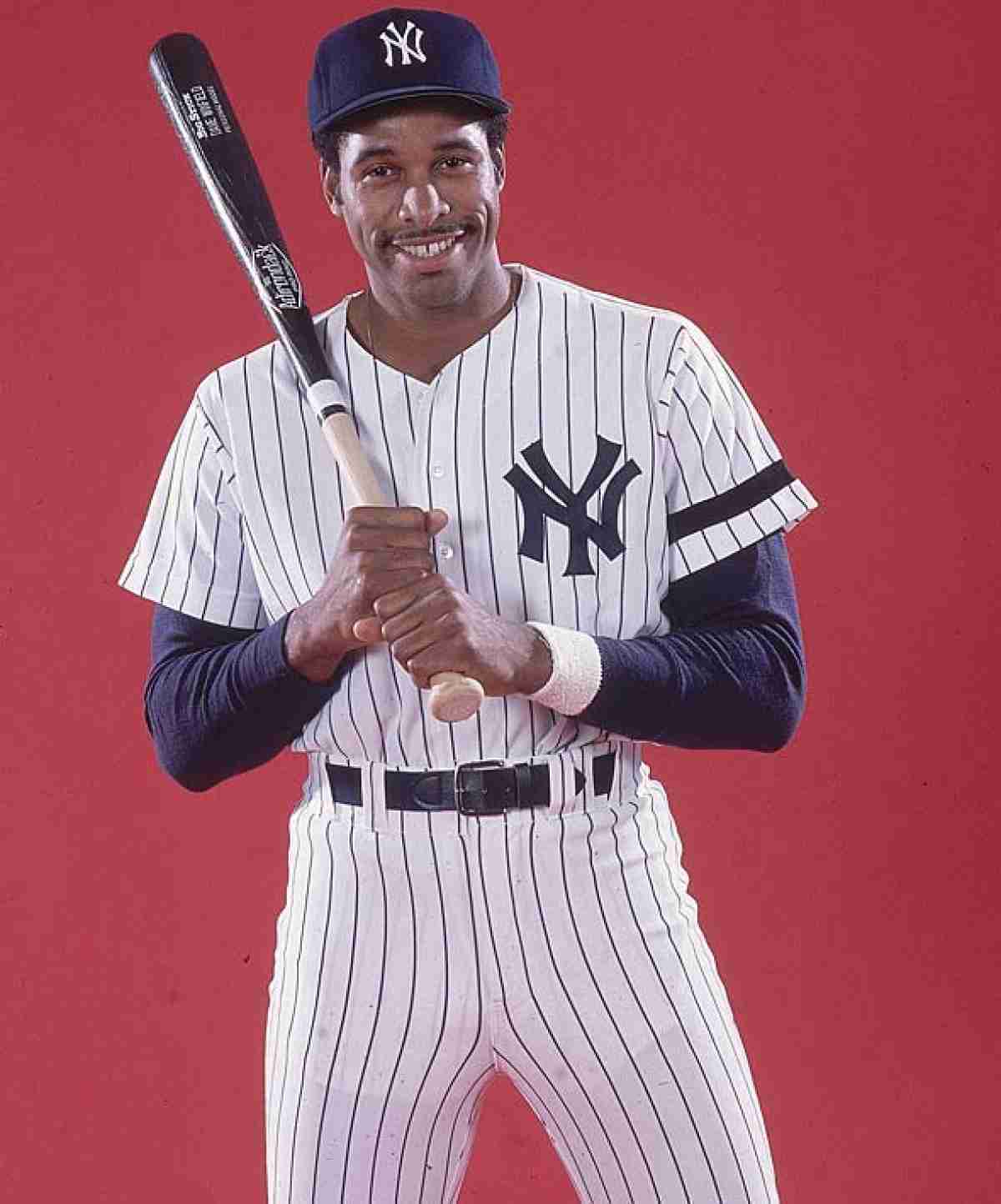



In December 1980, Dave Winfield stunned the sports world by signing a groundbreaking ten-year deal with the New York Yankees. This move not only set financial records but also plunged him into a prolonged media spotlight. The St. Paul native, standing 6-foot-6 and known for his smooth athleticism—traits that had led to drafts in three professional sports—brought a commanding, superstar aura to the Bronx. However, his time with the team was marked by a tumultuous, often confrontational relationship with owner George Steinbrenner, who famously called him "Mr. May" after a brief postseason slump.
Despite ongoing off-field drama and a highly publicized feud in the front office, Winfield’s consistent on-field performance stood out. He transformed the middle of the lineup into a reliable power source, thanks to his long, strong right-handed swing that often challenged American League pitchers. Winfield recorded eight straight seasons with over 20 home runs in New York, hitting a career-high 37 in 1982 along with 106 RBIs. Known for his ability to produce extra-base hits, he surpassed 100 RBIs five times as a Yankee and maintained an impressive .495 slugging percentage, consistently pressure opponents’ pitching staff.
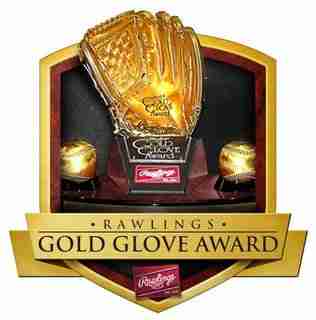
On the grass, his defensive evaluation continues to be one of the most divisive aspects of his legacy. To casual observers and classic award voters, Winfield appeared as a top defensive player; his powerful arm frequently caught aggressive baserunners, and his extensive reach earned him five Gold Glove Awards in pinstripes.
However, modern advanced metrics reveal a more complex picture. His defensive bWAR was consistently lower, indicating that his positioning and lateral range were often below average, leading to many balls dropping in the gaps and reducing his overall efficiency compared to top-tier defenders.
His overwhelming offensive output and consistent excellence during the regular season made him a prominent figure on the national stage, earning him eight straight All-Star selections for the American League. He played with a strong, professional presence that kept the clubhouse focused despite the chaos upstairs, accumulating large hit totals until a severe back injury forced him to miss the entire 1989 season.
Following a highly tense standoff with the front office, Winfield was finally traded to California in May 1990, concluding his tumultuous yet incredibly productive pinstriped stay with 1,300 hits, 236 doubles, 205 home runs, and 818 runs batted in across 1,172 games. Winfield was inducted into the Baseball Hall of Fame in 2001 on the first ballot.

Comments powered by CComment