
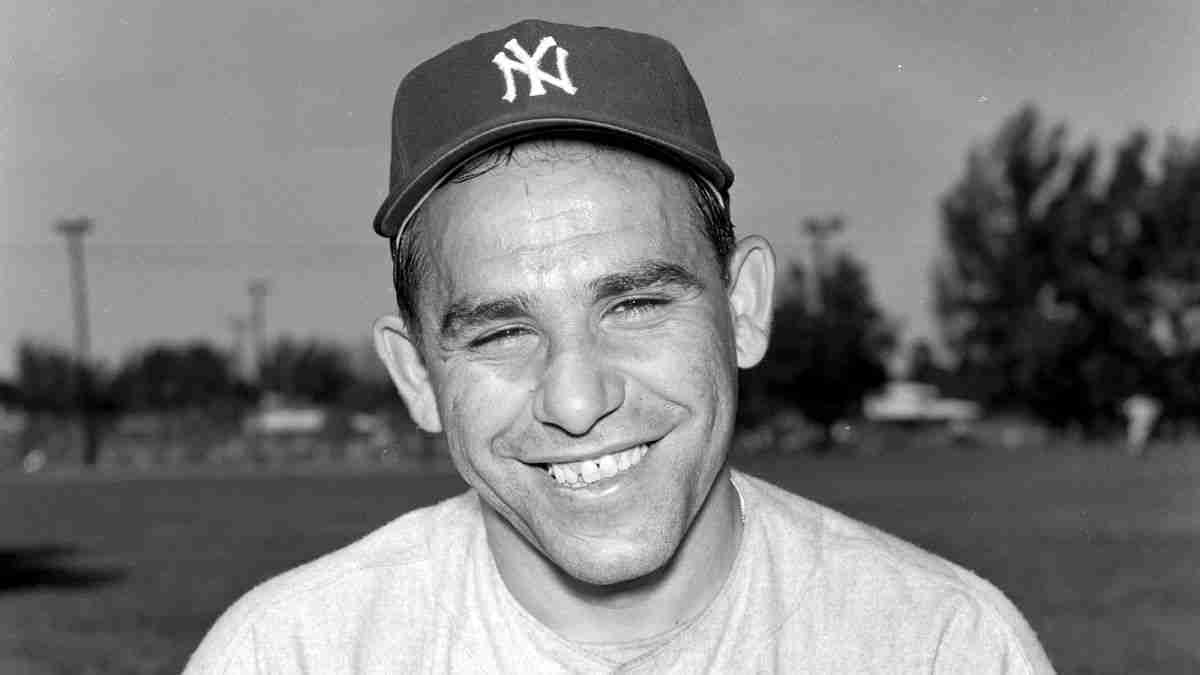



Yogi Berra, a short and stocky kid from St. Louis's Italian-American neighborhood "The Hill,” had just returned from serving in World War II. During the Normandy landings, he operated a rocket boat as a Navy seaman. His raw, unrefined athletic build led many early observers to underestimate his potential in baseball. However, behind his many paradoxical "Yogisms" that turned him into a cherished figure in American sports history, there was much more to his story.
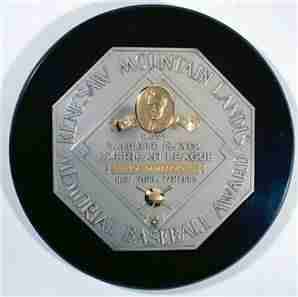
Berra was a legendary and notoriously aggressive "bad-ball" hitter, capable of hitting pitches well out of the strike zone while rarely striking out, as evidenced by his 1950 season, when he struck out only 12 times in 597 at-bats. He reached a personal peak by winning three American League Most Valuable Player Awards (1951, 1954, and 1955) and finishing as runner-up twice. From 1950 to 1957, he maintained an exceptional level of peer recognition, never ranking lower than fourth in MVP voting, and he was a key part of the Yankee lineup as an 18-time All-Star.
While his bat dominated the middle of the card with 358 home runs and 1,430 RBIs, Berra combined this powerful offense with exceptional defensive work and skillful management of the pitching staff. He was a dedicated professional who played in both games of 117 doubleheaders, set a record with 173 career shutouts, and was instrumental in Don Larsen's legendary perfect game during the 1956 Fall Classic. His leadership laid the groundwork for the most glorious era in sports history; he participated in 14 World Series as a player, achieving a record 10 championships.
The long Bronx journey ended after the 1963 season, when he moved into management, leading the Yankees to the 1964 pennant, and he spent a brief 1965 stint with the Mets. His significant impact made his post-career recognition inevitable. In 1972, Cooperstown inducted him into the Hall of Fame, and the Yankees retired his No. 8 to Monument Park, cementing his pinstripe legacy.

Comments powered by CComment