
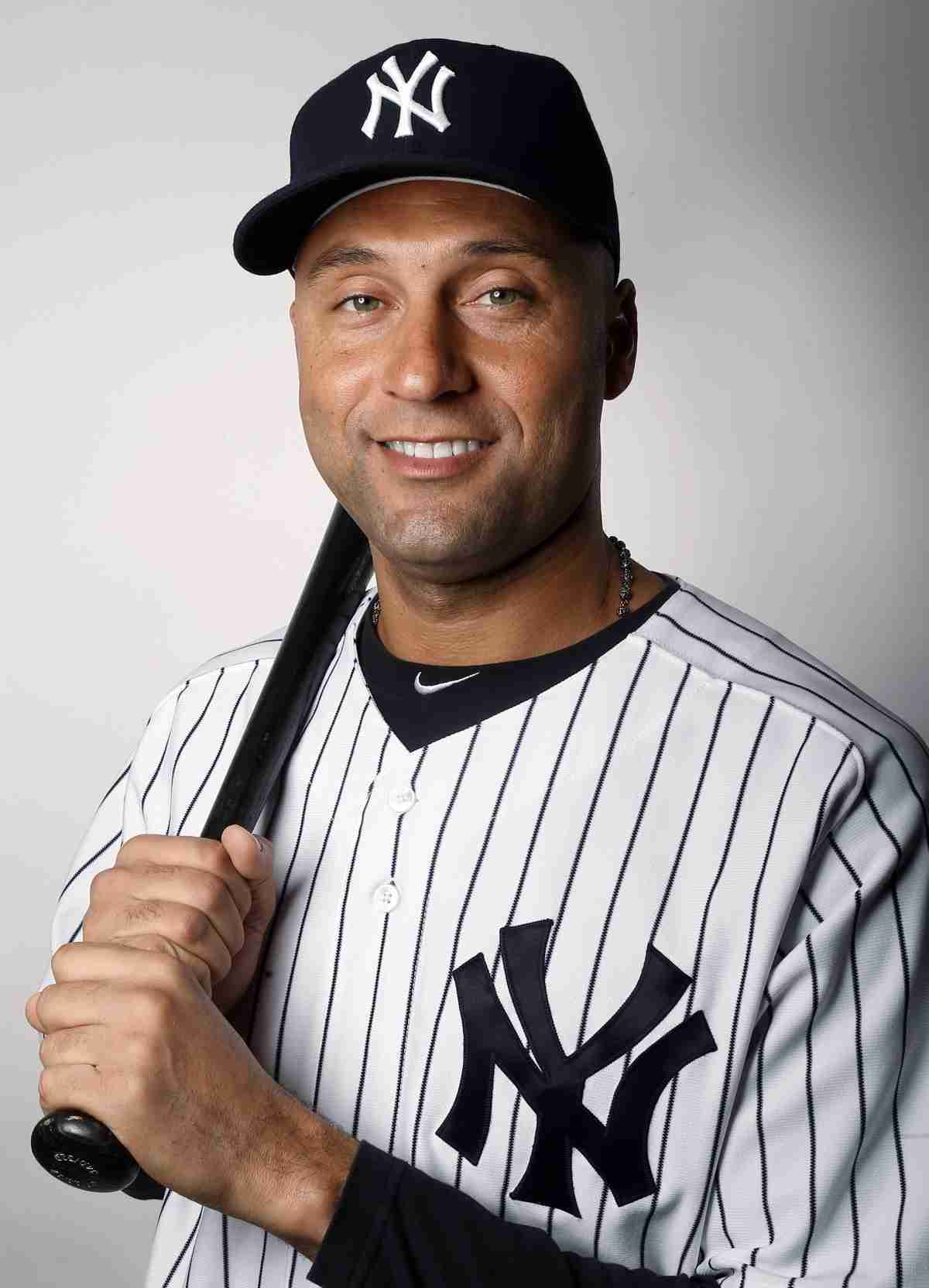







Derek Jeter's journey in the Bronx began in 1995 when he arrived as a 20-year-old rookie. With a quiet confidence and a hometown reputation as a promising talent who had always dreamed of donning the pinstripes, he quickly captured hearts. From the moment he stepped into the starting shortstop position in 1996, he became the guiding force behind a new era of success, serving as a steadfast leader for a team that went on to win four championships in five years. Over his 20 seasons with the Yankees, Derek emerged as a true icon of the sport, breaking franchise records for durability and consistency, and earning the affectionate nickname "The Captain" while becoming a beloved figure worldwide.
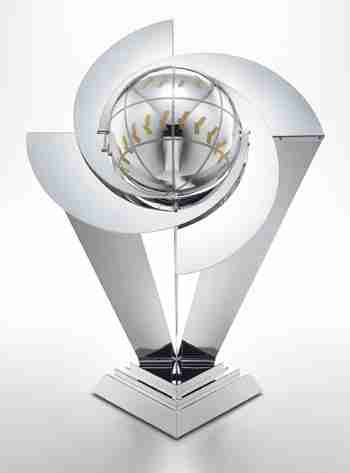
His rookie season was truly remarkable, a storybook start that set the tone for an incredible career. In 1996, Jeter made an unforgettable debut, batting .314 and earning the American League Rookie of the Year award, while also helping the Yankees secure their first championship in nearly twenty years. That year marked the beginning of a legendary era, with Jeter becoming the driving force behind the Yankees' remarkable "three-peat" of World Series wins from 1998 to 2000. In 1999, he achieved a personal best with 219 hits and a .349 batting average, and he capped off that championship run by earning both the All-Star and World Series MVP titles in 2000.
As the new millennium arrived, his role shifted from being a rising star to becoming the dependable emotional and tactical cornerstone of the team. On October 13, 2001, he wrote "The Flip" to help secure a win in an elimination game against Oakland, and just a few weeks later, he earned the nickname "Mr. November" after hitting a walk-off home run in the World Series. His leadership was officially celebrated on June 3, 2003, when George Steinbrenner named him the 11th captain in Yankees history. Throughout this period, he demonstrated exceptional mastery of his role, earning five Gold Glove Awards and guiding the Yankees to their 27th World Series title in 2009, batting an impressive .407 in the Fall Classic.
In 2011, he embarked on a remarkable journey in baseball history, surpassing Lou Gehrig as the franchise's all-time hit leader. On July 9, 2011, he reached a significant milestone when he became the first Yankee to get 3,000 career hits, celebrated with a stunning home run off David Price. Despite facing a tough ankle injury in 2012, he showed incredible resilience by returning to the field and ending his career with a heartfelt farewell tour. During his final game at Yankee Stadium in 2014, he made it even more special with a memorable walk-off single, sealing his legacy as the only player in franchise history to reach 3,465 hits.
In 2017, the organization honored him by retiring his No. 2 and placing him in Monument Park. He left behind an impressive legacy, having played more games in pinstripes than any other player, along with a postseason record of 200 hits and 20 home runs. His remarkable journey concluded in 2020 when he was inducted into the National Baseball Hall of Fame with the highest voting percentage ever for a position player, cementing his status as a beloved icon of New York.

Comments powered by CComment