
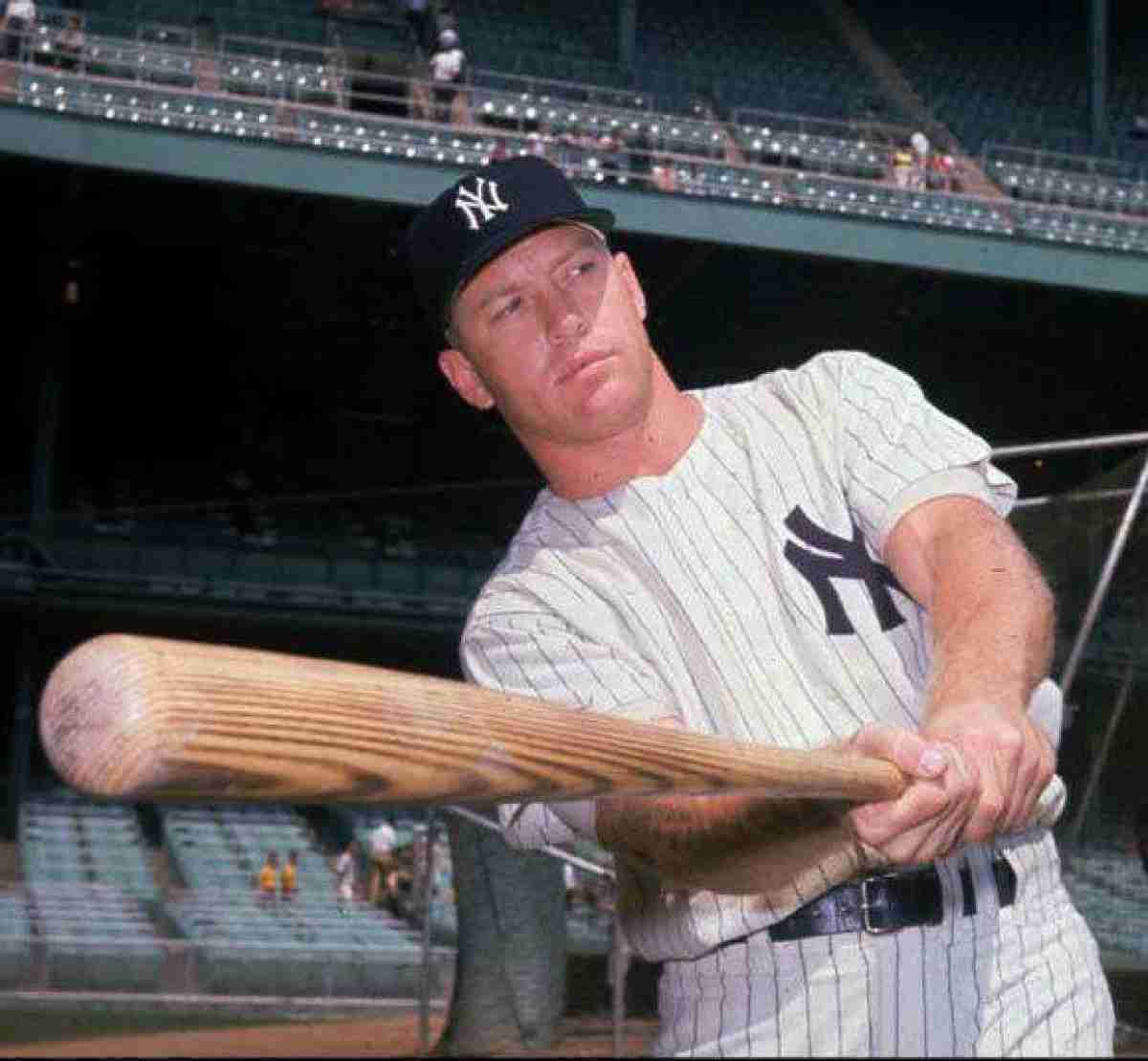






In 1951, Mickey Mantle stepped onto the grass as a nineteen-year-old with blonde hair and the kind of country-strong power that seemed to belong in a comic book. Taking over center field from Joe DiMaggio, he shouldered a level of expectation that would have crushed most athletes, yet he transformed into the quintessential Yankee superstar.
Despite a traumatic knee injury in the 1951 World Series that would plague him for life, Mantle showed a high-frequency ability to dominate top pitching. By 1952, he earned his first All-Star nod, proving to be a reliable player who could impact from both sides of the plate. This early phase established a strong foundation, showing that the post-DiMaggio Yankees were still the undisputed kings of the hill.
Between 1953 and 1955, Mantle transformed from a promising player to the Yankees' top offensive force. In 1953, he hit a 565-foot home run, coining the term "tape-measure home run," And hit a crucial grand slam in the World Series to secure the Yankees' fifth consecutive title.
By 1954-1955, Mantle refined his approach, combining power with a keen eye. He led in runs scored in 1954 and in 1955, he topped the American League in home runs, triples, and walks, finishing second in MVP voting. Mantle was no longer just a switch-hitter but a formidable offensive threat.
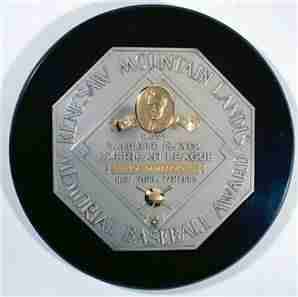
Mantle reached a historic pinnacle of individual performance during his 1956 Triple Crown campaign, posting a season that remains a benchmark of offensive efficiency. That summer, he demonstrated complete dominance of the league by leading the American League in batting average (.353), home runs (52), and RBIs (130). He secured the first of his three MVP Awards by unanimous vote, establishing himself as a high-caliber force within the Bronx offense. Throughout this peak period, each time he stepped to the plate, the stadium would fall into a hushed anticipation for the subsequent 500-foot home run.
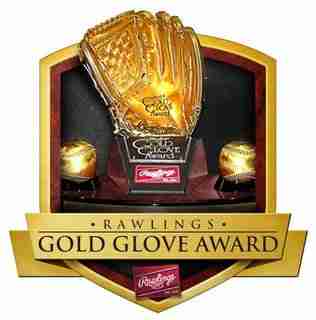
The late 1950s saw Mantle maintain a level of dominance that seemed a permanent fixture at the pinnacle of the leaderboards. In 1957, he produced a season that was considered by many to be technically superior to his Triple Crown year, batting .365 with a career-high .512 on-base percentage, thereby securing his second consecutive Most Valuable Player (MVP) Award. He demonstrated a remarkable ability to score, leading the league in runs and walks, and earned a Gold Glove Award in 1958. This period underscored his prowess as both a tactical and physical giant, as he again led the league in home runs in 1958 and 1960, providing a robust offensive foundation that made the New York Yankees perennial pennant favorites.
By the conclusion of the 1960 season, Mantle had firmly established himself as the most formidable figure in the sport. He led the American League in home runs (40) and runs scored (119) while anchoring a team that returned to the World Series. Although the Yankees were defeated in a seven-game series by Pittsburgh, Mantle’s individual performance was exceptional, culminating in a slash line of .400/.543/.600 during the Fall Classic. No longer merely the young heir to DiMaggio, he had become the unequivocal face of baseball, a high-caliber superstar entering the zenith of his career.
The turn of the decade featured one of the most famous statistical races in history during the 1961 season. While he was locked in a high-stakes battle with teammate Roger Maris to break Babe Ruth's record, Mantle showcased a career-high 54 home runs. Although an infection late in the season cut his chase short, his efficiency remained elite, as he led the league in walks and slugging percentage. He left behind a statistical footprint in New York that remains staggering, including a career .421 On-Base Percentage and 1,733 walks, proving he was a tactical genius who knew when to take a base and when to clear them. It was such a battle between the two Yankee sluggers that people forget that New York cruised to another World Series title.
In the mid-1960s, "The Mick" became the franchise's elder statesman, maintaining offensive threat despite injuries. In 1964, he hit 35 home runs, finished second in MVP, and set a World Series record with three home runs, surpassing Babe Ruth. His mobility declined, but he remained a key veteran contributor. His final years saw a position switch to first base in 1967 to keep his bat in the lineup. Though his speed faded, his discipline kept him dangerous, reaching 500 home runs in May 1967. Despite a lower batting average in 1968, he led the league in walks per nine innings, with a .421 OBP and 1,733 walks, leaving a lasting statistical legacy.
The postseason cemented Mantle as a high-stakes legend, guiding the Yankees to twelve American League Pennants and seven World Series titles. He demonstrated October power with a record 18 World Series home runs, a feat highlighting his clutch performance. Whether hobbling or hitting walk-offs, he had a knack for big moments.
The longevity of his service was formally recognized in 1969 when the Yankees retired his number 7, followed by his first-ballot induction into the Baseball Hall of Fame in 1974. Mantle compiled 536 home runs and 1,509 RBIs with the club.

Comments powered by CComment