




June 2, 1925.
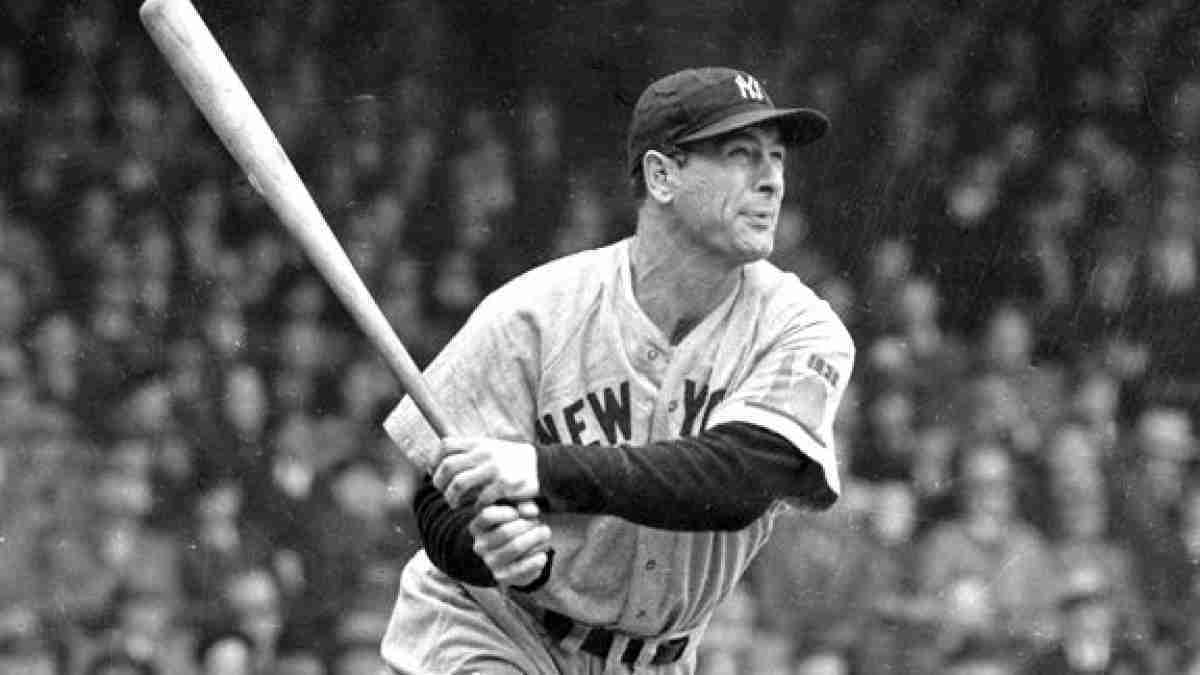
That was the day that Lou Gehrig replaced Wally Pipp at first base and where the legend of the “Iron Horse” began. However, this was he was far more than an endurance athlete; he was a powerhouse who combined elite contact with high-frequency run production,
In 1925, during his inaugural season as a regular player, he demonstrated specialized power by hitting 20 home runs and recording the first of his record 23 career grand slams. Gehrig followed his breakout performance with a 1926 campaign that served as a technical warning to the rest of the American League. He showcased a high-frequency ability to secure extra bases, leading the league with 20 triples while driving in 109 runs. During the 1926 World Series, he was a high-stakes performer, batting .348 at the age of 23, thus providing consistent offensive production even in a losing effort against the St. Louis Cardinals. This period established a foundation of dependable excellence, illustrating that while Babe Ruth offered spectacle, Lou Gehrig provided unwavering stability.
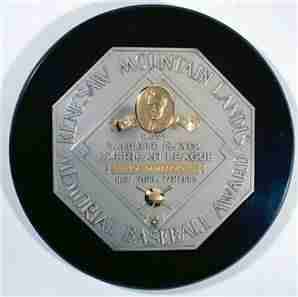
The era known as "Murderers' Row" marked the transformation of Gehrig into an eminent superstar, beginning with his historic 1927 Most Valuable Player (MVP) campaign. During that year, he achieved a batting average of .373, hit 47 home runs, and amassed 175 RBIs, an extraordinary performance that would have garnered significant attention in any other year, notwithstanding Ruth’s record of 60 home runs. He continued to display exceptional technical skill over the subsequent seasons, recording 210 hits in 1928 and guiding the Yankees to another World Series sweep. By the end of the decade, he had firmly established himself as a prolific run producer who consistently performed at an extraordinary level, laying the groundwork for a period of statistical dominance that seemed to transcend the limits of human fatigue.
Between 1930 and 1933, Gehrig maintained a remarkably high level of production that was, frankly, intimidating for opposing pitchers. In 1931, he demonstrated exceptional skill in RBI efficiency, setting the American League record with 184 runs batted in while hitting 46 home runs. On June 3, 1932, he executed a distinguished performance against the Philadelphia Athletics, becoming the first player in the modern era to hit four home runs in a single game. In 1933, he further distinguished himself by participating in his 1,308th consecutive game, thereby surpassing the previous record. During this period, he also led the league in walks and maintained a batting average of .334. This sequence of achievements confirmed his status as a high-caliber player capable of carrying the offensive load regardless of the era or the opposition.
As remarkable as Gehrig had been, 1934 would be epic. That summer, he showcased total mastery at the plate to win the Triple Crown, leading the American League in batting average (.363), home runs (49), and RBIs (166). This high-caliber run cemented his status as a perennial superstar, as he demonstrated a specialized ability to drive in runners at a historic rate. He eventually led the league in RBIs five times, including an incredible 184 RBIs in 1931, a mark that still stands as the American League single-season record.
Between 1923 and 1939, he was a tactical nightmare for pitchers, winning five On-Base Percentage titles and maintaining a career .447 OBP, ranking fifth all-time. His home run power was immense, 493 career long balls, and he showed versatility with over 200 hits in a season eight times. His career stats include a .340 batting average and 1,995 RBIs, reflecting a lifetime of heavy lifting.
The postseason was where Gehrig solidified his status as a high-stakes legend, helping lead the Yankees to six World Series championships. He showcased a specialized brand of clutch hitting in October, slashing an extraordinary .361/.483/731 across 34 World Series games. Whether he was hitting 10 postseason home runs or driving in 35 runs on the game's most prominent stage, he possessed a distinctive aptitude for rising to the occasion. He demonstrated that true greatness resides in the combination of exceptional talent and unwavering determination, serving as the vital element of the most formidable lineup ever assembled.
The trajectory of his journey took a heartbreaking turn in 1938 and 1939 as he began to battle the early symptoms of ALS. As his performance slipped, he famously removed himself from the lineup on May 2, 1939, ending his historic consecutive-games streak. On July 4 of that same year, he stood before a sellout crowd at Yankee Stadium to deliver the most iconic speech in sports history. Despite a terminal diagnosis, he displayed high-caliber dignity by declaring himself the "luckiest man on the face of the Earth," a moment that transcended the sport and made him an eternal symbol of courage.
He was rushed into the Baseball Hall of Fame that year via a special election, as he should have been.

Comments powered by CComment