
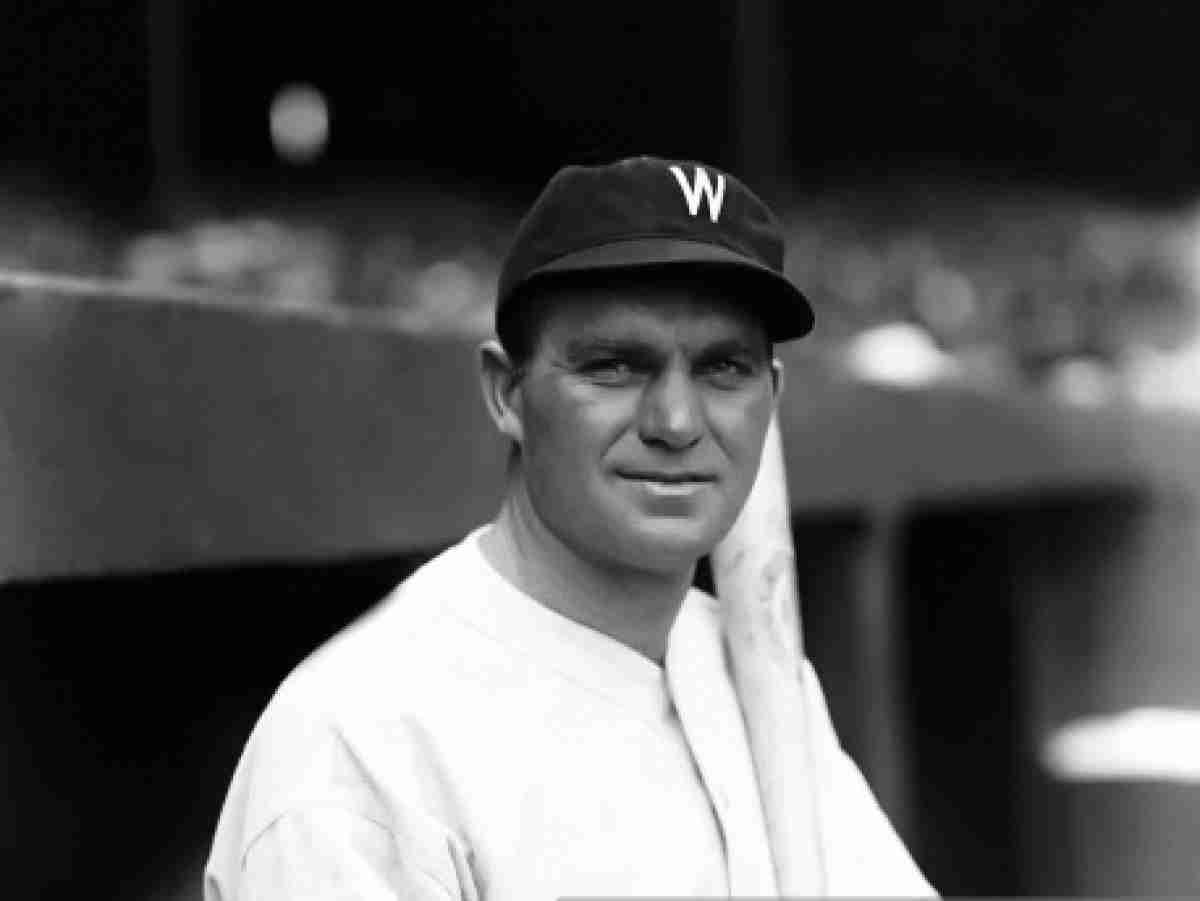


Heinie Manush joined the organization in June 1930 via a rare, high-leverage trade that saw the Senators send future Hall of Famer Goose Goslin to the St. Louis Browns in exchange for Manush and pitcher Alvin "General" Crowder. He arrived in the capital already recognized as one of the game's elite contact hitters, and he promptly occupied the peak of his fame as the offensive engine for the club.
Manush was a powerhouse player during the 1932 and 1933 seasons. He placed third in MVP voting for two consecutive years and consistently exploited gaps at Griffith Stadium, notably achieving a 33-game hitting streak in 1933. That year, he hit a historic peak by leading the American League in hits with 221 and triples with 17, delivering an outstanding season that helped Washington secure its last American League Pennant.
Although he never won a batting title while in the capital as he had in Detroit in 1026, Manush achieved a level of consistency that confirmed his status as an elite hitter. He finished in the top five of the batting race three times as a Senator, notably in 1933 when his .336 average was only behind Jimmie Foxx. He was a key part of the lineup facing the Giants in the 1933 World Series, but he became notorious in Game 4 when he was ejected for jokingly—and then forcefully—pulling on an umpire's bowtie.
His stay in D.C. ended in January 1936, when the Senators traded their star outfielder to the Red Sox in exchange for Roy Johnson and Carl Reynolds. His legacy was finalized in 1964 when he reached a new plateau of recognition as an inductee into the Baseball Hall of Fame.
Manush had 1,061 Hits with Washington with a .328 Batting Average.

Comments powered by CComment