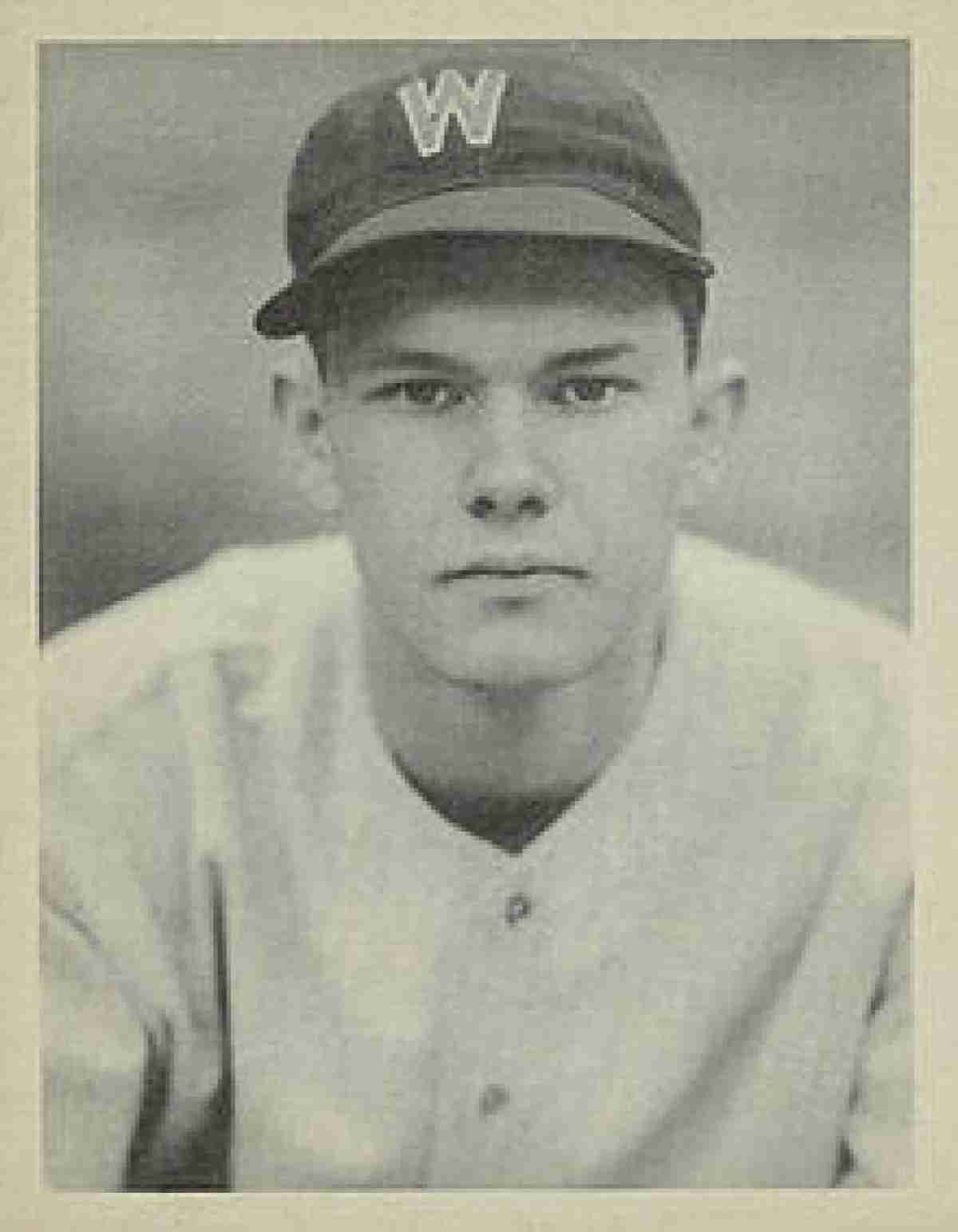
Buddy Lewis first took to the Griffith Stadium field in 1935 as a nineteen-year-old phenom, quickly cementing his reputation as a hitting powerhouse for the Senators. A versatile athlete, he played both the hot corner and the outfield, serving as the main driving force of Washington's offense in the late 1930s.
Lewis achieved six consecutive seasons with at least 160 hits at the start of his career, a remarkable streak that placed him second only to Ty Cobb for total hits by a player of that age. He was a consistent performer, participating in two All-Star Games (1938 and 1947), and consistently contributed at the top of the lineup, batting over .300 in four of his first six full seasons.
Similar to many athletes, Lewis experienced a three-year hiatus during what should have been his peak physical condition. As with numerous contemporaries, he discovered that this period away adversely affected his timing and agility. Upon his return to the Senators in 1945, he continued to contribute; however, he was no longer the statistical anomaly that had previously challenged Cobb's early-career records.
After a poor 1949 season, Lewis retired from baseball, leaving behind 1,563 hits with a .297 batting average.
Comments powered by CComment