
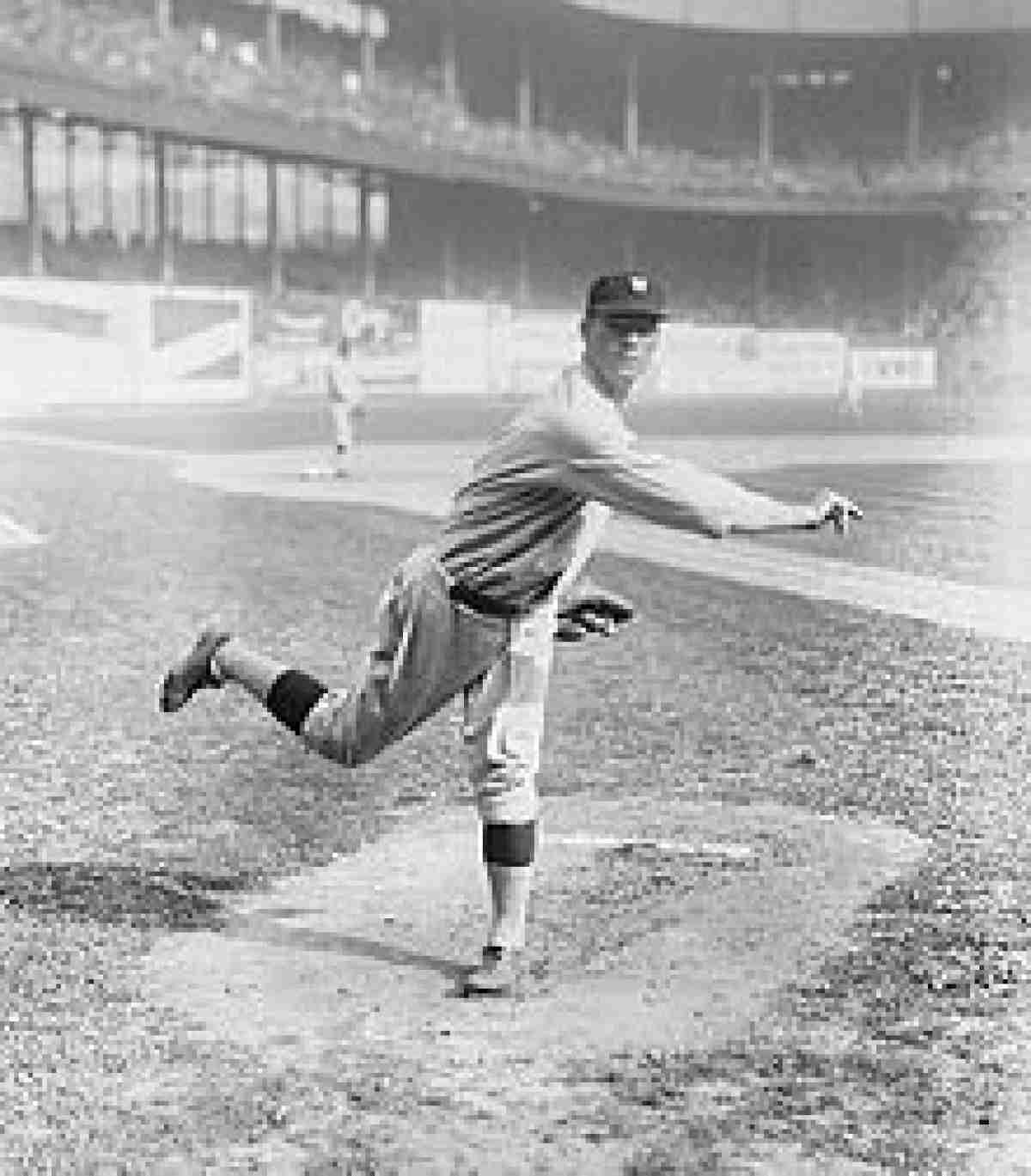

Debuting for the Senators in 1923, a big right-hander from Texas who would become the era’s most revolutionary pitcher. At a time when removing a starter was seen as failure, Marberry's specialized versatility redefined the bullpen’s role. Over ten seasons in Washington, he was the first true "closer" in spirit, offering high-leverage durability that helped the Senators win their only World Series.
In 1924, Marberry achieved a remarkable level of statistical impact that was well ahead of its time. He recorded 15 saves—a retroactive major league record, alongside 14 starts. He led in appearances (50) and games finished (31), becoming the key asset rookie manager Bucky Harris relied on for late-inning relief. His place in Senators history was cemented during the 1924 World Series, where he pitched in four games, earned two saves, and delivered a crucial performance in Game 7 that secured the championship for D.C.
Between 1926 and 1932, he reached a new peak in 1926, breaking his own record with 22 saves and a 3.00 ERA, his lowest. He showed a knack for switching roles, especially in 1929 when he had 19 wins and led the league with 11 saves. During this peak, he led the AL in pitching appearances six times and saves five times, finishing with 94 franchise saves, a record that remained a benchmark for relievers for decades. He played for Washington until he was traded to Detroit after the 1932 season.
Notably (though not recognized at the time), Firpo Marberry would lead the American League in WHIP and led the AL in Saves six times with 94 in total for the team.

Comments powered by CComment