
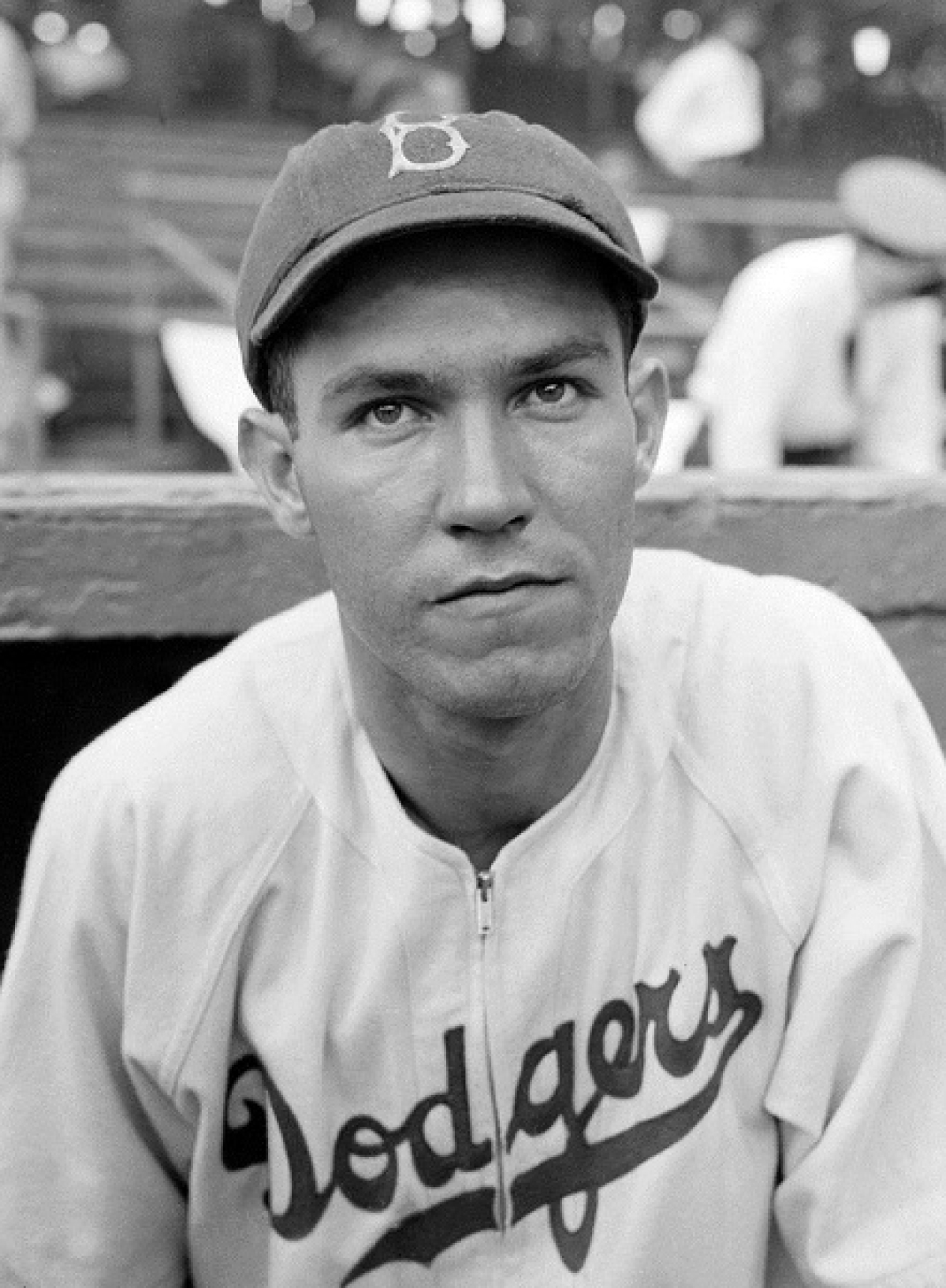



In the late 1930s, Branch Rickey (then with the Cardinals) had built an intricate, sprawling farm system. To circumvent rules limiting how many players a team could control, Rickey "hid" prospects by moving them between various minor league clubs he secretly owned or controlled. Landis, who despised the farm system and saw it as a form of "chain-gang" baseball that suppressed player wages and mobility, launched a massive investigation.
MLB Commissioner Kennesaw Mountain Landis ruled that the Cardinals were illegally controlling dozens of players. He issued a "blanket emancipation," declaring 74 Cardinals prospects, including a young Pete Reiser, to be free agents. Despite being declared a free agent, Reiser was still a Rickey favorite. Rickey didn't want to lose him, so he allegedly struck a "gentleman’s agreement" with Larry MacPhail, the GM of the Dodgers. MacPhail would sign Reiser for $100, "stash" him in the Dodgers' system for a year, and then trade him back to the Cardinals once the heat from Landis died down.
However, Reiser spent a year in the minors for Brooklyn, his talent became undeniable. During Spring Training in 1940, Reiser was so explosive that the Dodgers' veteran players and manager Leo Durocher reportedly refused to let MacPhail trade him away, though Rickey himself would take over the administrative reins of the Dodgers in 1943.
Reiser spent a year in the minors for Brooklyn, and his talent became undeniable. During Spring Training in 1940, Reiser was so explosive that the Dodgers' veteran players and manager Leo Durocher reportedly refused to let MacPhail trade him away.
In 1941, at merely 22 years of age, Reiser attained an exceptional peak of achievement by authoring a remarkable season, during which he led the National League in batting average (.343), runs (117), doubles (39), triples (17), and slugging percentage (.558). He demonstrated comprehensive mastery of the game, finishing second in the Most Valuable Player (MVP) voting to his teammate, Dolph Camilli, an outcome that many baseball historians considered a significant oversight, considering Reiser’s league-leading 8.0 Wins Above Replacement (bWAR). During that summer, he reached a distinguished plateau of stardom, guiding the Dodgers to the Fall Classic and cementing his reputation as the premier player in the senior circuit.
The season after, Reiser was on track for another batting title, but disaster struck in the form of crashing face-first into the outfield wall at Sportsman’s Park. The concussion marked a turning point; he returned days later, but his ability to track the ball was compromised. Although he still made the All-Star team, he never regained his 1941 peak. His "fighting spirit" was both his greatest asset and his undoing.
Like many ballplayers, Reiser served his country in World War II, but he returned to Ebbets Field significantly changed. Although he continued to show great effort, often crashing into walls and sustaining multiple fractures, he took a pivotal step in his career when traded to the Boston Braves. He left Brooklyn with 666 hits and a .306 batting average.

Comments powered by CComment