
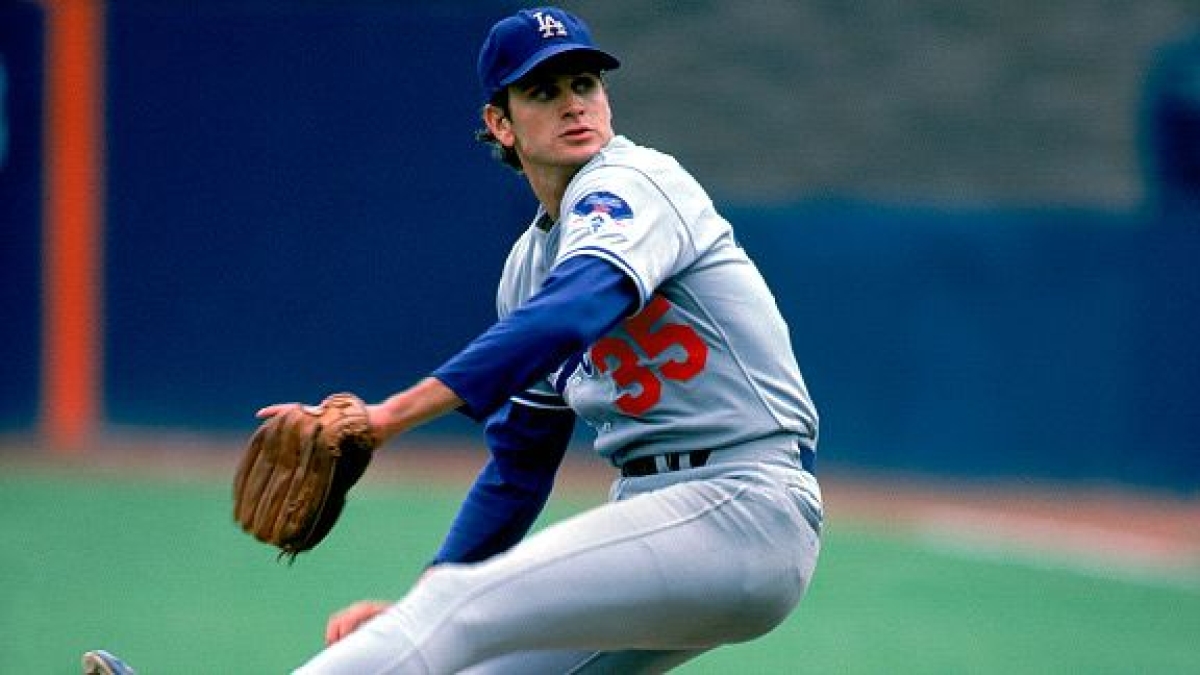



Bob Welch quickly became a well-known name in Southern California. Just a year after being the 20th overall pick in the 1977 draft from Eastern Michigan, the right-hander was pitching in the ninth inning of Game 2 of the 1978 World Series. In a pivotal moment early in his career, the 21-year-old rookie faced off against the legendary Reggie Jackson with two outs and the tying run on third. He ultimately struck out Jackson with a high fastball, sealing the win. This strikeout was more than just the end of a game; it marked the rise of a powerful pitcher who would be a key part of the Los Angeles rotation for the next decade.
While the 1978 highlight reel made him a star, Welch’s true strength was his ability to consistently dismantle National League lineups. By 1980, he received his first All-Star nomination, marking his emergence as a top-tier starter. As a key part of the 1981 staff that finally won the World Series, he provided stability amid the challenges of a split season. Welch demonstrated remarkable durability, achieving a four-year streak starting in 1982 with at least 13 wins each season. His 1983 season was particularly impressive, with 15 wins and a 2.65 ERA, placing him in the top ten for Cy Young voting.
The narrative of Welch's time in Los Angeles is often viewed through the lens of what he did later in Oakland, but his 1987 season with the Blue Jays was arguably the most masterful pitching of his life. Though his 15-9 record was solid, the deeper metrics reveal a monster of a season; he led the entire National League with a 7.1 bWAR, proving he was doing the heavy lifting for a team in transition. He threw a career-high 251.2 innings that year, leaving everything on the mound before the front office decided to move him to the Athletics in a massive three-team trade that winter.
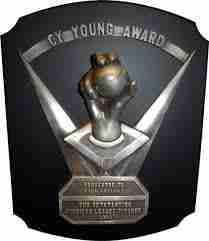
The trade to the American League gave Welch a change of scenery and eventually a Cy Young Award in 1990. Welch compiled a 115-86 record, a 3.14 ERA, and 1,292 strikeouts in Los Angeles.

Comments powered by CComment