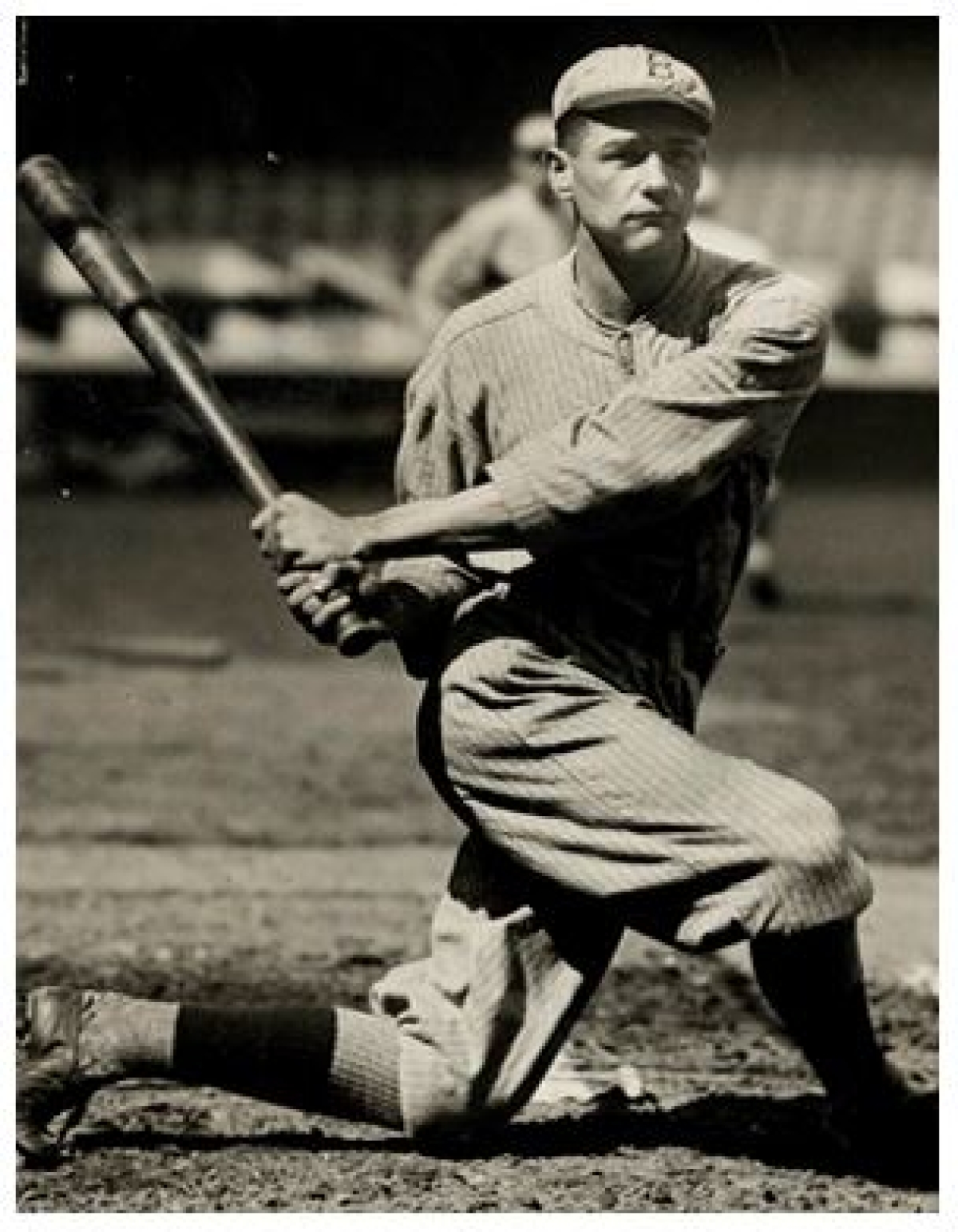
Zack Wheat arrived in Brooklyn in 1909, a graceful left-hander whose swing was described as "poetry in motion" during an era of the game that was anything but. While the franchise cycled through names like the Superbas, the Robins, and finally the Dodgers, Wheat remained the one constant, a quiet professional who anchored left field for nearly two decades.
The opening chapter of his career really showed how well he adapted to the "Small Ball" style of the Deadball Era. Wheat showed a special talent for hitting the ball into the gaps, quickly becoming a key player known for his high batting average, even when the ball was difficult to hit. By 1912, he had already set a strong performance standard, regularly ranking among the league leaders in hits and triples.
In the mid-1910s, he helped Brooklyn win the 1916 National League Pennant with standout stats, leading in Total Bases (276) and Slugging Percentage (.461), impressive for the era. In 1918, he won the National League Batting Title with a .335 average, showing he could carry a lineup. Despite a modest frame, he used a 40-ounce bat and a "corkscrew" swing to generate high bat speed, making him one of the most feared hitters of his generation.
His Brooklyn years marked a second act during the 1920s "Lively Ball’ era. While many faded, Wheat improved, maintaining a .347 average from 1920-1925, with three 200-hit seasons. He was a key left fielder, leading the NL in putouts seven times and setting franchise records in hits (2,804), doubles (464), and triples (171).
Following the 1926 season, the conclusion of a legendary tenure was marked by a period of relative quiet. At the age of 38, Wheat was released by the Dodgers and subsequently signed with the Philadelphia Athletics, where he dedicated one final outstanding year, batting .324 in a part-time capacity alongside distinguished contemporaries Ty Cobb and Eddie Collins. He concluded his career with a total of 2,884 hits and a lifetime batting average of .317.
Wheat entered the Baseball Hall of Fame via the Veterans Committee.
Comments powered by CComment