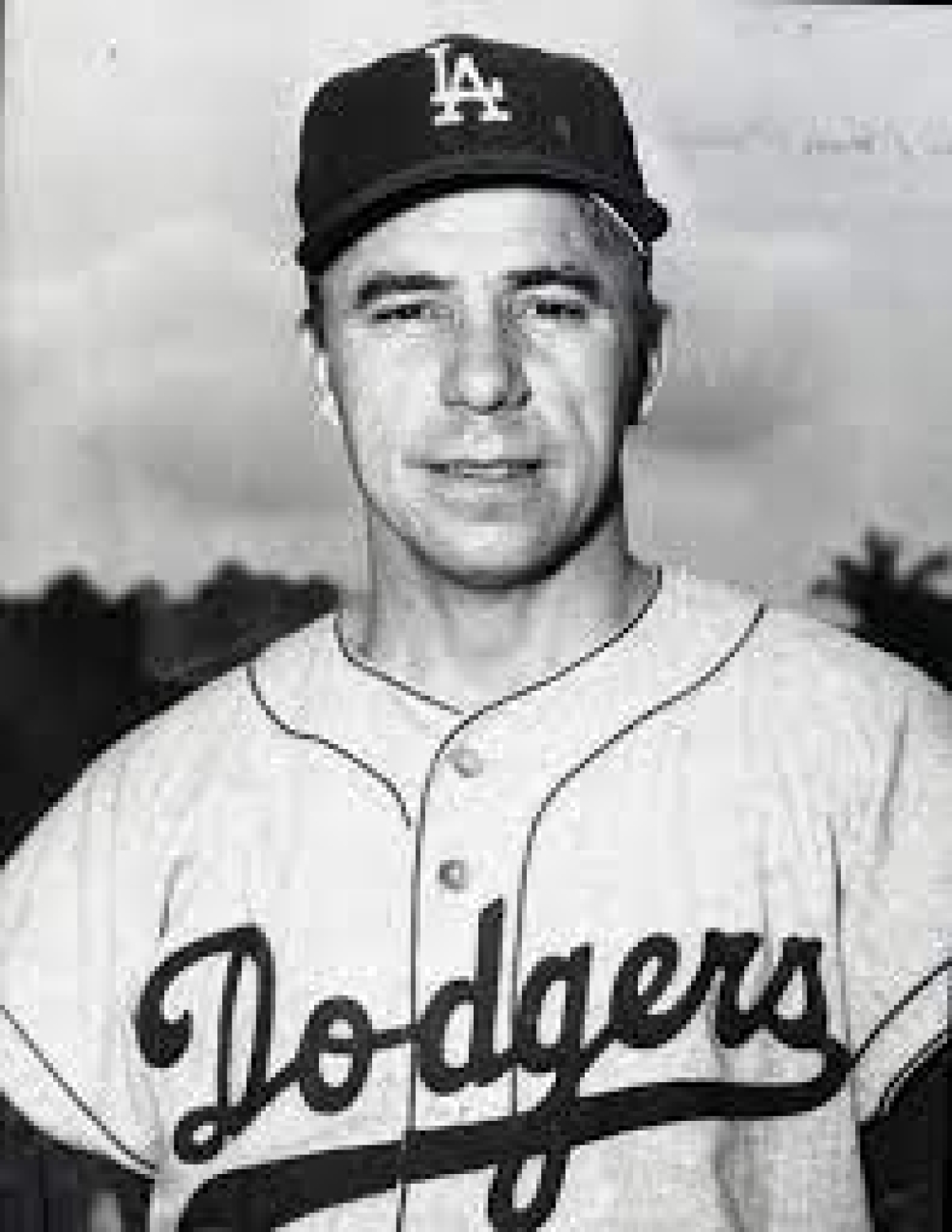
Pee Wee Reese arrived in Brooklyn in 1940 via a franchise-altering trade with the Red Sox, a transaction necessitated by a legendary logjam in Boston. Hall of Fame shortstop Joe Cronin was serving as the Red Sox player-manager at the time and, unwilling to yield his spot on the dirt to a rookie, suggested the young prospect be moved. While his moniker suggested a small stature, Reese quickly developed into a giant of the organization, providing a brand of steady, high-IQ baseball that anchored the most celebrated era in Brooklyn’s history.
The first part of his tenure was defined by a rapid ascent to defensive elite status, securing his first All-Star nod in 1942 while leading the National League in defensive bWAR. Like many of his contemporaries, he paused his playing days to serve in the military during World War II, but he returned in 1946 with a more refined approach at the plate and his range at shortstop fully intact. This return to the dirt was about more than just sport; he famously became a primary ally for Jackie Robinson, refusing to sign a petition against his teammate and publicly embracing him during a time of immense social tension. This display of humanity helped stabilize the clubhouse and set the stage for a decade of sustained excellence.
Reese began his peak during the 1949 campaign, a season in which he finished fifth in the MVP voting and led the league in runs scored (132). While he lacked the thunderous power of Duke Snider, he was a master of the "small ball" era, combining a high-frequency ability to draw walks with a specialized knack for situational hitting. He remained a perennial All-Star through 1954, batting consistently in the .260 to .270 range and proving to be a high-quality threat on the basepaths. His value was reflected in eight top-ten MVP finishes, a testament to his reputation as the glue holding the Dodgers' championship aspirations together.
His tenure featured a defensive mastery that remained the standard for shortstops of the 1940s and 50s. Between 1946 and 1956, he was a fixture in the middle of the infield, recording 232 stolen bases and proving to be one of the most durable players of his generation. The steady nature of his game allowed him to quietly amass a 68.2 bWAR with the franchise, a figure that currently stands as the highest for any position player in Dodgers history. He provided a reliable floor for a team that reached seven World Series during his stay, ensuring that the "Six" hole was a vacuum for opposing hitters.
His veteran guidance finally helped the franchise secure its elusive 1955 World Series title over the Yankees. While age began to limit his offensive volume in the subsequent years, he remained a professional mainstay through the team's move to Los Angeles in 1958. He left behind a statistical footprint that includes 2,170 hits and 1,210 walks. He remained a beloved icon long after his retirement, eventually being inducted into the Baseball Hall of Fame in 1984, the same year the Dodgers retired his number 1.
Comments powered by CComment