
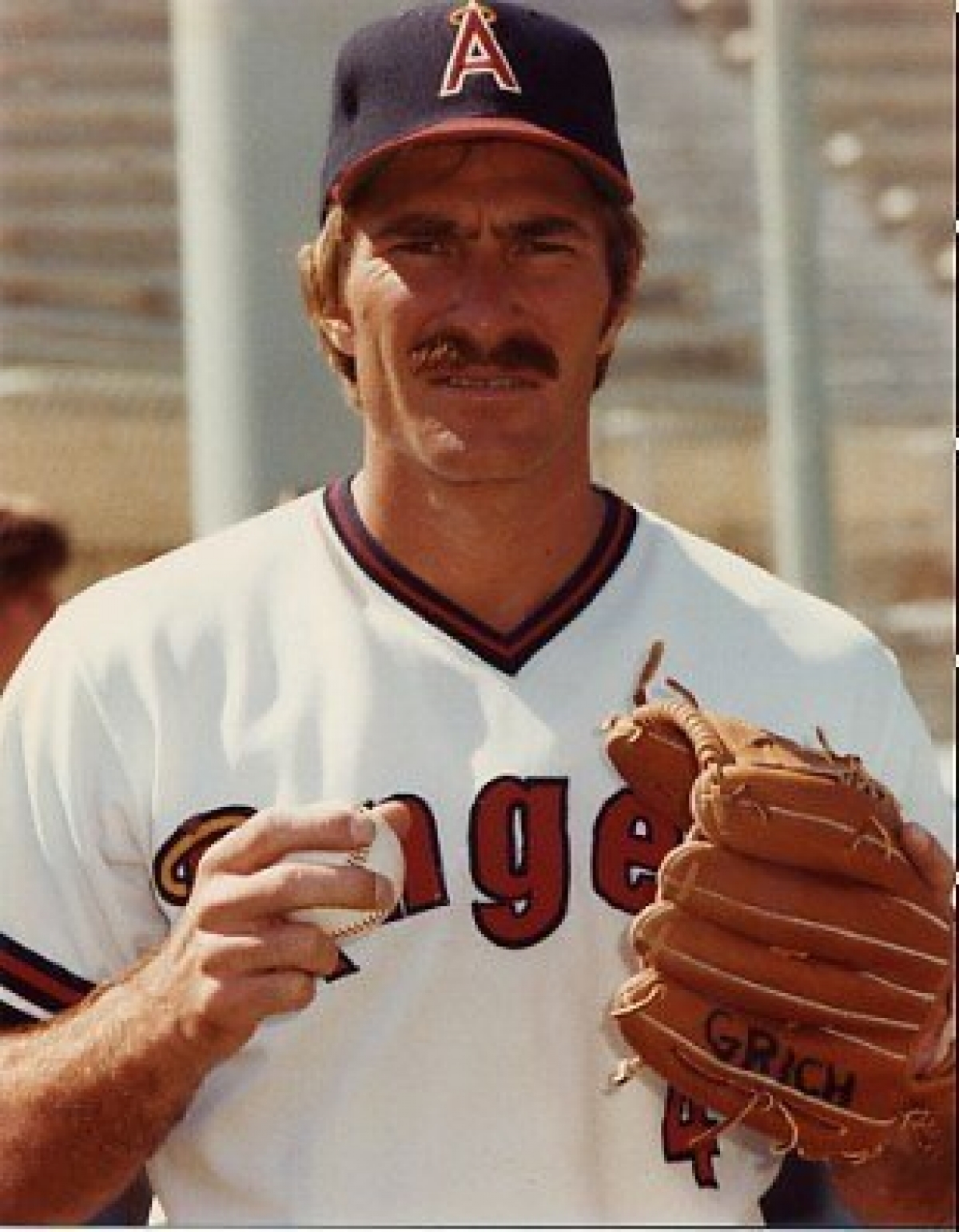




Bobby Grich redefined the expectations for a second baseman in Anaheim, joining the California Angels as a marquee free agent following the 1976 season. For ten years, he anchored the infield with a specialized blend of elite defensive range and a disciplined, high-impact approach at the plate. While he had already established himself as a premier American League force in Baltimore, Grich provided the Angels with a weapon that helped transform the expansion-era club into a perennial contender in the AL West.
Grich’s journey in a California uniform reached a historic peak during the 1979 and 1981 campaigns. After several seasons of steady production, he transitioned into a premier power threat, launching 30 home runs and driving in 101 runs to help lead the Angels to their first-ever division title in 1979. This performance signaled his transition from a defensive specialist to a foundational piece of the team’s core, earning him an eighth-place finish in the MVP voting. He showed the organization that a middle infielder could be a primary source of run production, a rarity in an era that prioritized small-ball at the position.
The bulk of his Anaheim years were characterized by elite efficiency and a reputation for statistical outliers. In the strike-shortened 1981 season, Grich reached a career peak for individual dominance, leading the American League in home runs, slugging percentage, and OPS+. He possessed a focused intensity that allowed him to thrive in high-leverage situations, earning his first Silver Slugger and his sixth career All-Star selection. Despite the physical toll of his aggressive style of play, he remained a model of offensive efficiency, recording 1,103 hits and 154 home runs in a California uniform. He provided the steady-state leadership and veteran-like poise that stabilized the roster through multiple postseason runs.
In 1988, he became the inaugural inductee into the Angels Hall of Fame.

Comments powered by CComment