
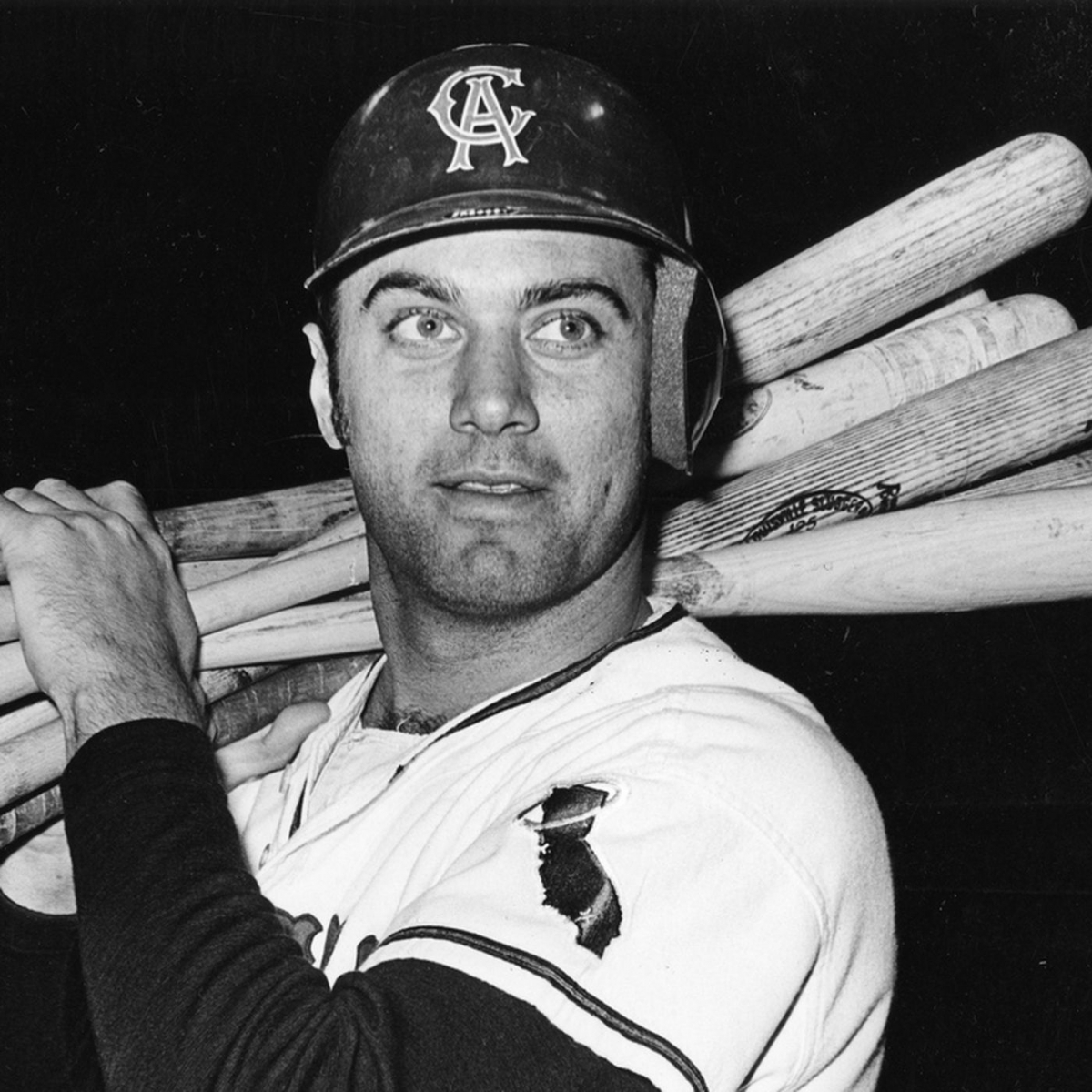

Jim Fregosi arrived in the Angels system as a byproduct of expansion, a young shortstop plucked from the Red Sox who would eventually become the definitive face of the franchise’s first decade. During an era when the team struggled to find its footing in the American League, Fregosi provided a rare combination of defensive stability and offensive punch.
Fregosi’s rise in California began almost as soon as the team took the field in 1961. By 1963, he had secured his place as the everyday shortstop, proving that he could handle the rigors of the position while contributing significantly at the plate. He reached a career-defining breakout during the mid-sixties, a stretch where he became a perennial fixture in the Midsummer Classic. Between 1963 and 1970, he recorded at least 140 hits every single season, signaling his transition from an expansion draft pick to a bona fide league leader.
In 1967, Fregosi earned his fifth All-Star selection, captured a Gold Glove for his defense, and finished seventh in the American League MVP voting. With 171 hits and a .290 average, he showed the organization that a shortstop could be a primary offensive engine, often providing double-digit home run power in an era where middle infielders were expected to be defensive specialists. He earned MVP votes in eight consecutive seasons, a high-frequency recognition of his value as the team’s most reliable asset.
Following the 1971 season, the Angels traded their captain to the New York Mets in a blockbuster deal. While Fregosi struggled to regain his form in New York, the trade famously brought Nolan Ryan to California, a move that shifted the franchise's trajectory. He left Anaheim with 1,408 hits and 115 home runs, a statistical footprint that made him the club’s all-time leader in nearly every major category at the time of his departure.
Fregosi returned as the team’s manager from 1978 to 1981, guiding the club to its first-ever division title in 1979. The organization recognized his enduring legacy in 1989 by making him the second player ever inducted into the Angels Hall of Fame, eventually retiring his number 11 nearly a decade later.

Comments powered by CComment