
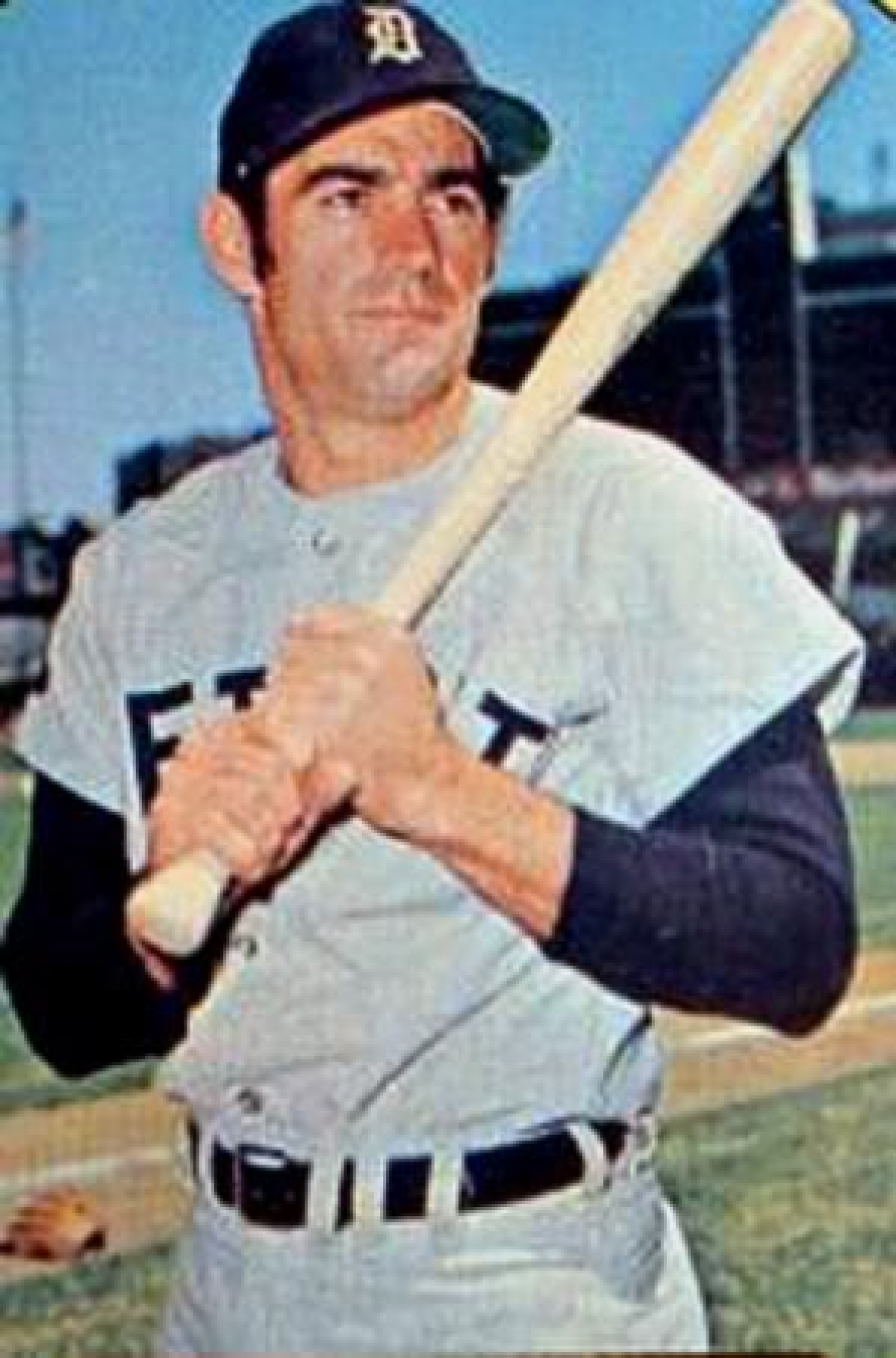

Dick McAuliffe arrived in Detroit as a gritty infielder who defied every conventional rule of the batter's box. With a wide-open, leg-kicking stance that looked more like a challenge than a technique, he became the high-energy spark plug for the most beloved era of Tigers baseball.
Dick McAuliffe arrived in Detroit as a gritty infielder who defied every conventional rule of the batter's box. With a wide-open, leg-kicking stance that looked more like a challenge than a technique, he became the high-energy spark plug for the most beloved era of Tigers baseball. For fourteen seasons, he anchored the middle of the diamond, proving that a player could become a franchise pillar through a relentless pursuit of the plate and a specialized ability to turn a walk or a hit into a run.
McAuliffe’s rise in Detroit began with a transition from a utility prospect to a frontline starter in the early sixties. He reached a career-defining breakout in 1964, hitting 24 home runs and signaling a transition from a defensive replacement to a premier offensive threat at shortstop. He possessed a focused intensity that made him a nightmare for American League pitchers, as his strange batting stance allowed him to generate surprising power from his small frame. By 1965, he had reached a new gear of consistency, earning the first of three consecutive All-Star selections and providing the dependable, day-to-day production that kept the Tigers in the hunt for a pennant.
The heart of his time in Detroit was defined by a decade of defensive versatility and a disciplined eye. While he spent time at shortstop, his move to second base solidified the Tigers' infield defense during their most successful run. He reached a career peak during the historic 1968 campaign, where he led the American League in runs scored (95) and didn't ground into a single double play the entire season.
Everything culminated in the 1968 World Series title, where McAuliffe served as the emotional lead-off man for a championship squad. However, the natural evolution of the roster and the team’s shifting needs led to a change in direction following the 1973 season. The Tigers traded their veteran infielder to the Boston Red Sox, leaving the Motor City as one of the most productive middle infielders to ever play at the corner of Michigan and Trumbull. He left behind 1,391 hits and nearly 200 homers.






Comments powered by CComment