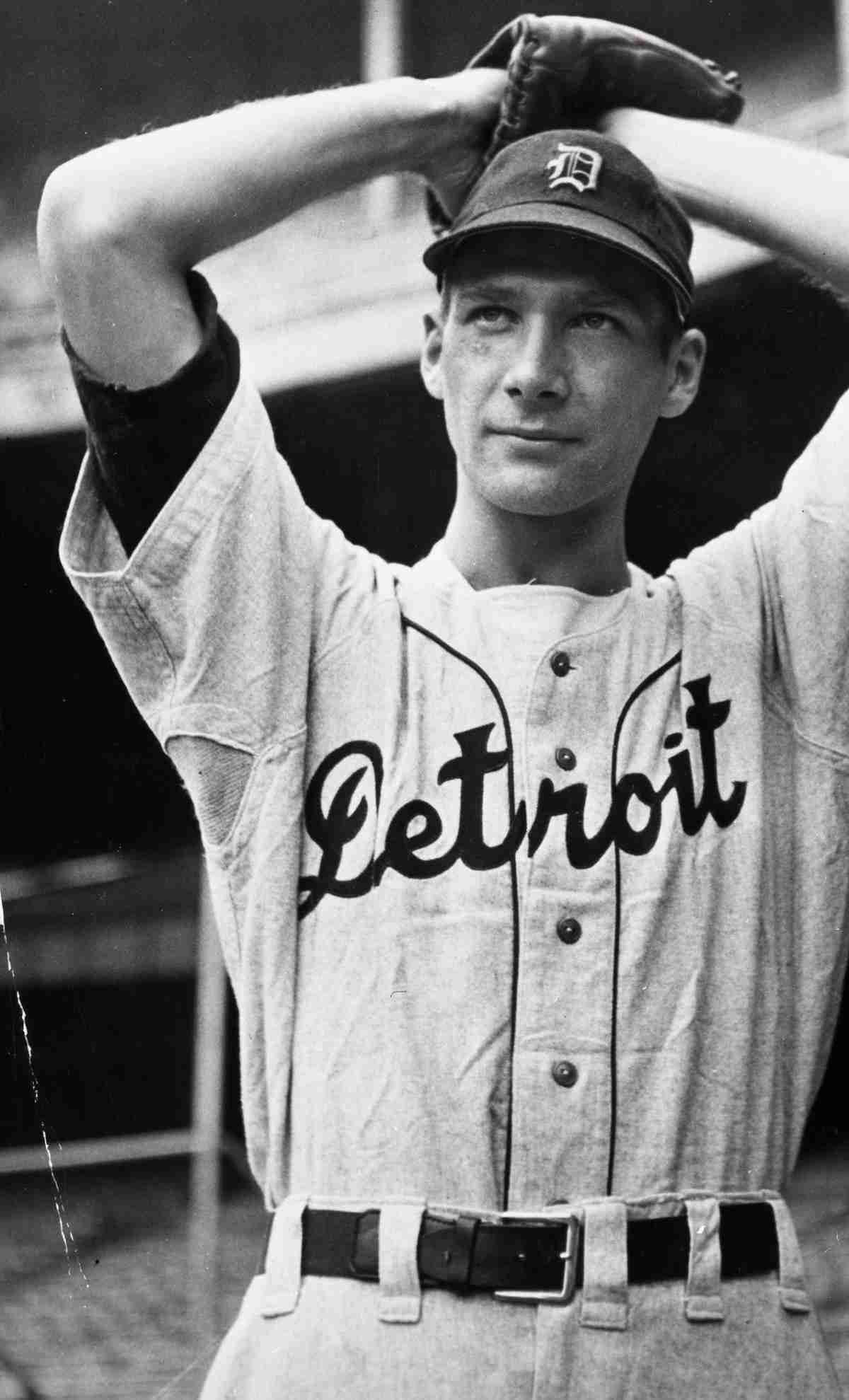
While many pitching legends were carved into the history books during the deadball era, Hal Newhouser’s peak emerged amidst the fires of the 1940s, a period where he stood as the undisputed titan of the mound. Known as "Prince Hal" for his dignified presence—and occasionally "Hurricane Hal" for his fiery competitive streaks—the Detroit native stayed home while others went to war, held back by a heart condition that would paradoxically allow him to lead his hometown team to the absolute summit of the sport. His legacy is etched in a rare back-to-back MVP achievement, a feat that remains the benchmark for pitching dominance in the modern age.
Newhouser’s rise to the rotation was forged as a teenager, but he reached a staggering high-water mark in 1944. That summer, he put together a 29-win campaign that earned him his first American League MVP trophy, a performance he incredibly duplicated in 1945. This second act was the definitive masterpiece of his career; he captured the elusive Pitching Triple Crown by leading the league in wins (25), strikeouts (212), and ERA (1.81). He was a model of specialized endurance, delivering the high-leverage strikes Detroit needed to carry it to a grueling seven-game World Series victory over the Cubs, including a gutsy complete-game win in the finale.
The most profound aspect of his tenure was how he sustained this elite output even as the game’s greatest stars returned from military service. Newhouser was a master of the shifting landscape of the "Live Ball" era, proving that his brilliance was not merely a byproduct of depleted lineups. Between 1946 and 1948, he continued to dominate the Junior Circuit, leading the league in FIP for three consecutive seasons and securing his fourth 20-win season in 1948. He possessed a specialized, high-velocity delivery that made him a high-frequency strikeout artist, concluding the decade with more wins (170) and punchouts (1,579) than any other pitcher in baseball.
With the Tigers, Newhouser compiled 200 wins and 1,770 strikeouts while securing back-to-back MVP awards and the 1945 Triple Crown.
The organization provided the final punctuation on his incredible journey in 1997, five years after his induction into Cooperstown. The Tigers retired his number 16, ensuring that the legacy of the local boy who conquered the 1940s would remain a permanent fixture of Detroit’s baseball soul.
Comments powered by CComment