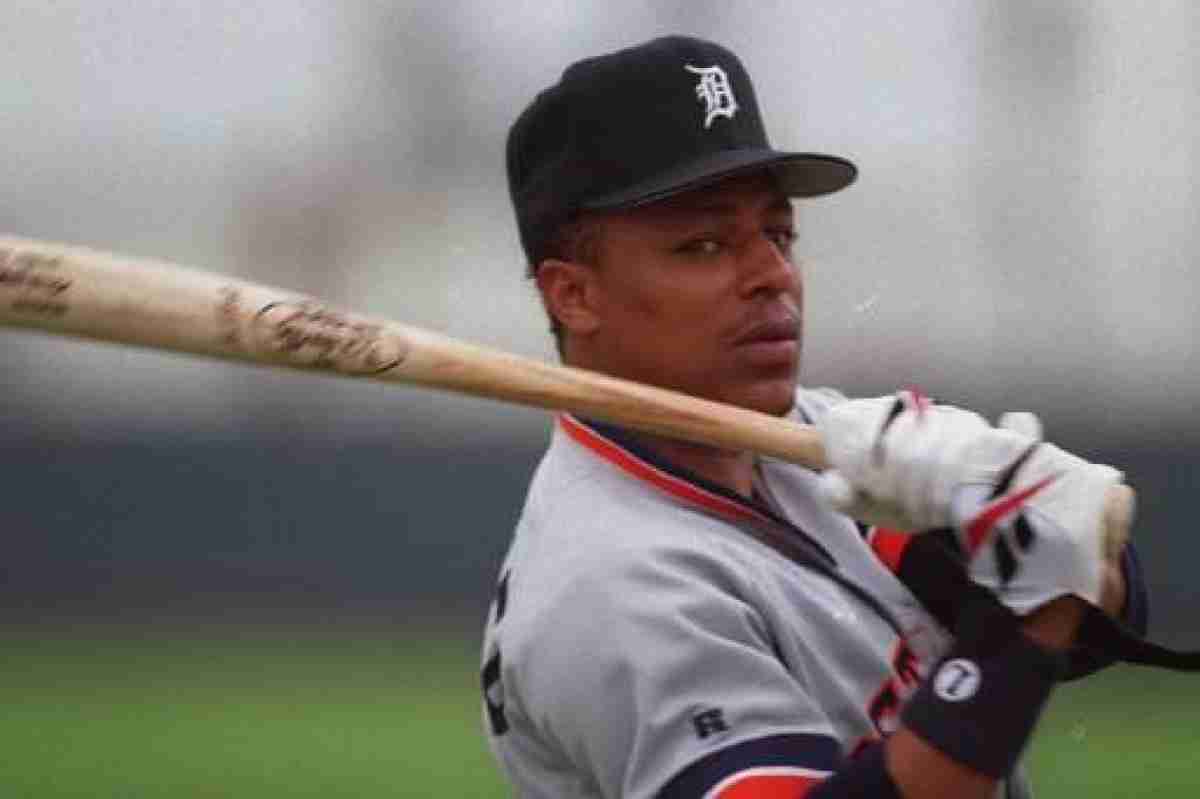
The story of Lou Whitaker is one of the most baffling oversights in the annals of Cooperstown, a narrative where the traditional gatekeepers somehow missed a generational masterpiece hidden in plain sight. For 19 seasons, "Sweet Lou" was the left-handed half of the most enduring double-play tandem in baseball history, patrolling second base for the Detroit Tigers with a grace that made the difficult look routine. While he famously vanished from the Hall of Fame ballot after just one year in 2001, the modern lens of analytics has reaffirmed what Tiger fans knew all along: Whitaker wasn't just a star; he was a revolutionary force at his position.
Whitaker’s arrival in Detroit was punctuated by an immediate and sophisticated impact, as he captured the 1978 American League Rookie of the Year award. He didn't just fill a gap in the lineup; he redefined the expectations for a second baseman, blending elite defensive range with a disciplined, high-velocity offensive approach. He sustained a run of excellence between 1983 and 1987, a five-year stretch during which he was a perennial All-Star and the gold standard at his position. During this run, he collected three Gold Gloves and four Silver Sluggers, proving he was the most efficient two-way threat in the American League.
The hallmark of his tenure was a rare combination of power and patience, decades ahead of its time. Whitaker was a model of specialized discipline, finishing his career with nearly 1,200 walks and a .363 on-base percentage—numbers that made him the ideal table-setter for the powerhouse 1984 World Champions. Yet, he also possessed a surprising punch, belting 244 home runs, a figure that placed him among the elite power-hitting second basemen of the 20th century. He served as the primary engine for the Detroit offense from the leadoff spot, utilizing a veteran-like poise to dismantle opposing pitching staffs through a mix of extra-base hits and high-leverage walks.
His presence in the clubhouse and on the diamond was defined by a quiet, focused intensity that anchored the franchise through two decades of transition. Whether he was famously turning a pivot with Alan Trammell or providing the steady-state production needed to keep the Tigers in the hunt for the 1987 division title, he competed with a professional resilience that never wavered.
He left the game as the only second baseman in history to retire with over 2,000 hits, 200 home runs, and 1,000 walks. In 2021, the Tigers officially retired his number 1, punctuating his status as a Detroit icon.
Comments powered by CComment