
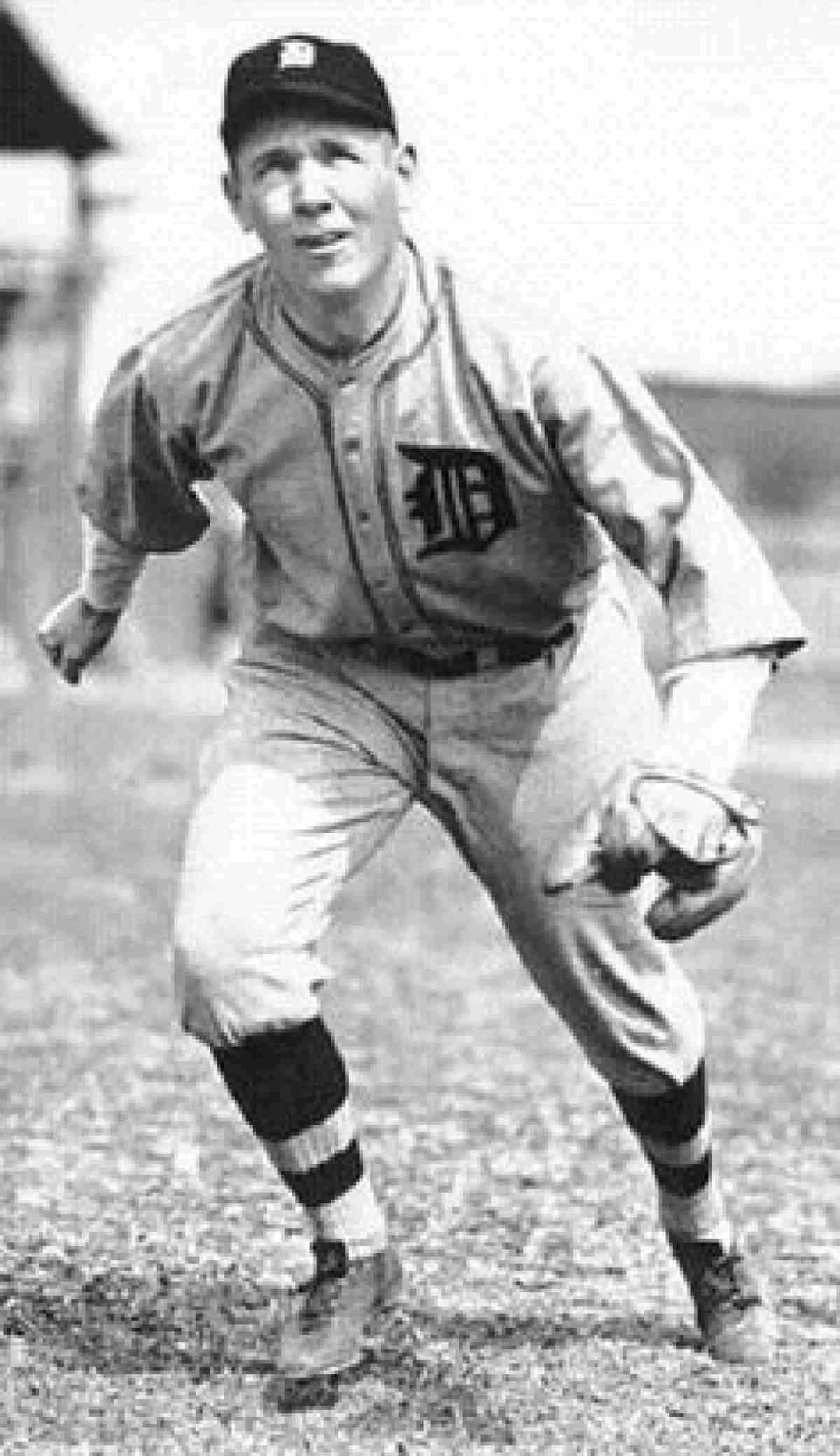


While the shadow of Ty Cobb loomed large over the Detroit outfield for two decades, it was Harry Heilmann who emerged as the most refined right-handed hitter of the 1920s. Often overlooked because he shared the grass with the "Georgia Peach," Heilmann actually served as Cobb’s most successful protégé, crediting the legend’s mentorship for his transformation from a struggling first baseman into a batting champion. With a swing as smooth as it was powerful, "Harry the Horse" became the primary engine of the Tigers' offense during a decade in which he made hitting over .390 look routine.
Heilmann’s tenure in Detroit was a story of offensive efficiency, marked by a peculiar yet spectacular pattern of dominance. He captured four American League batting titles during the 1920s, all in odd-numbered years (1921, 1923, 1925, and 1927)—and remarkably, he surpassed the .390 mark in every single one of those championship seasons. In 1923, he hit a staggering .403, joining an elite fraternity of only six American League players to ever breach the .400 plateau. He was a model of steady-state excellence, never dipping below a .328 average for the entire decade and serving as the tactical anchor for some of the greatest offensive outfields in history.
Though he played in the shadow of the era's massive power boom, Heilmann possessed a specialized strength that allowed him to consistently rank among the league’s most dangerous sluggers. He was a high-frequency producer of extra-base hits, six times finishing in the top five for slugging percentage and five times exceeding a 1.000 OPS. His production was not merely a product of the lively ball; it was the result of focused intensity and professional resilience that saw him drive in over 100 runs across eight seasons for the Tigers.
Heilmann was a fixture in the MVP conversation, finishing in the top ten in voting for five consecutive years. His most significant brush with the award came in 1927, when his league-leading .398 average and 120 RBIs earned him a second-place finish behind Lou Gehrig. Whether he was famously diving into the Detroit River to save a drowning woman in 1916 or providing the veteran poise required to mentor younger teammates, he competed with an energy that solidified his status as a franchise icon.
After the 1929 season, when he was sold to the Cincinnati Reds, his legacy remained firmly rooted in Michigan. After his playing days, he transitioned into a legendary second career as the voice of the Tigers, serving as the team's primary radio broadcaster for 17 years. He departed the organization with a career .342 batting average, the third-highest ever for a right-handed hitter, and a reputation as one of the most beloved figures in the city’s sports history.
Heilmann compiled 2,499 hits and 1,446 RBIs while capturing four batting titles across 15 seasons.






Comments powered by CComment