

Print this page

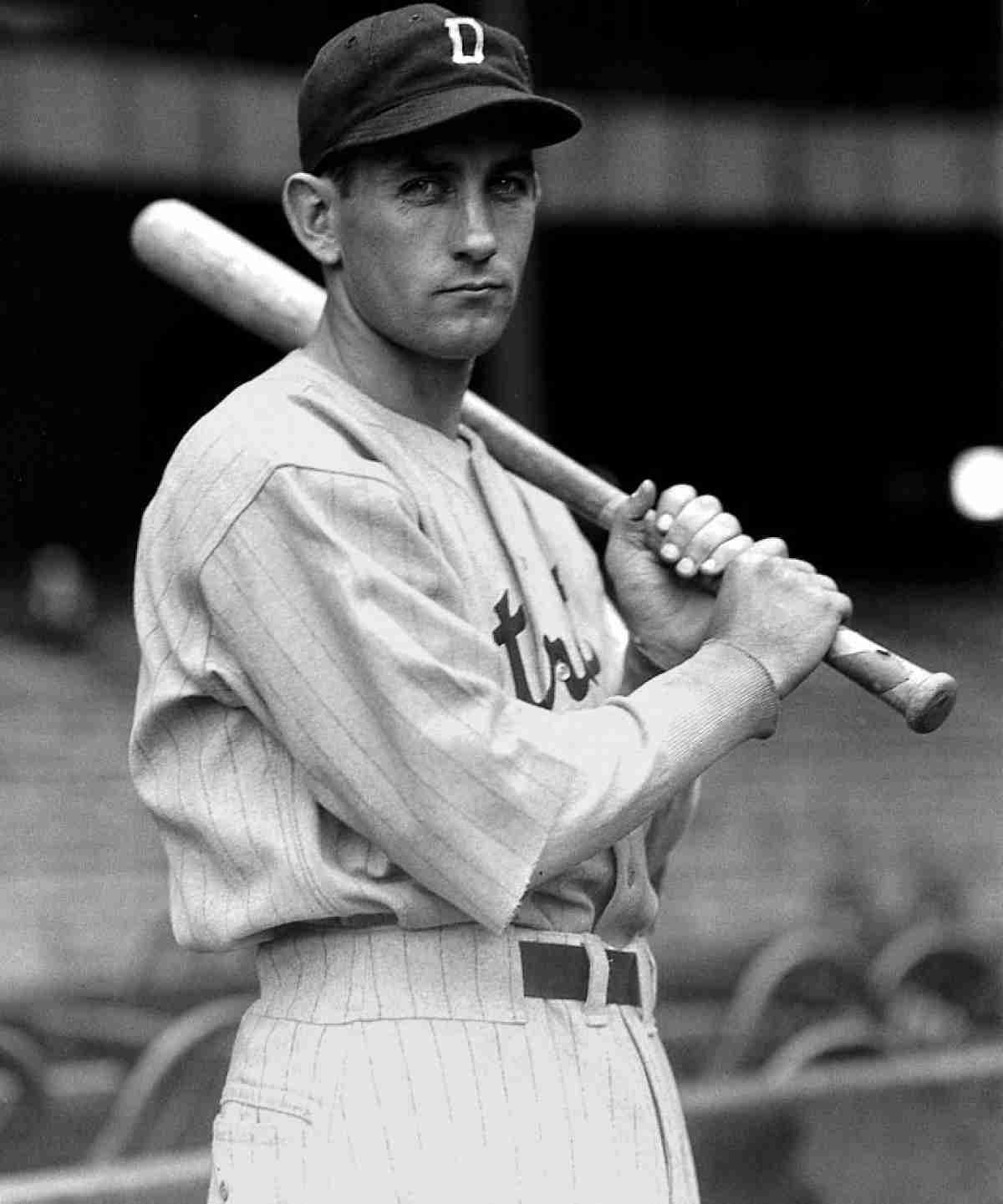
3. Charlie Gehringer

3. Charlie Gehringer
  1. General
  2. Awards
  3. Career Stats
  • Born: May 11, 1903 in Fowlerville, MI USA
  • Weight: 180 lbs.
  • Height: 5'11"
  • Bats: L
  • Throws: R
  • Debut: September 22, 1924
  • Final Game: September 27, 1942
  • Baseball Magazine All-Star - 1929
  • Baseball Magazine All-Star - 1930
  • Baseball Magazine All-Star - 1932
  • Baseball Magazine All-Star - 1932
  • Baseball Magazine All-Star - 1933
  • Baseball Magazine All-Star - 1933
  • TSN All-Star - 1933
  • Baseball Magazine All-Star - 1934
  • Baseball Magazine All-Star - 1934
  • TSN All-Star - 1934
  • Baseball Magazine All-Star - 1935
  • Baseball Magazine All-Star - 1935
  • TSN All-Star - 1935
  • Baseball Magazine All-Star - 1936
  • Baseball Magazine All-Star - 1936
  • TSN All-Star - 1936
  • Baseball Magazine All-Star - 1937
  • Baseball Magazine All-Star - 1937
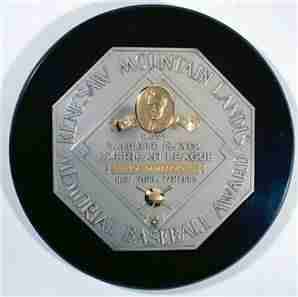
  • Most Valuable Player - 1937
  • TSN All-Star - 1937
  • TSN Guide MVP - 1937
  • Baseball Magazine All-Star - 1938
  • Baseball Magazine All-Star - 1938
  • TSN All-Star - 1938
  • MVP - 1928
  • MVP - 1931
  • MVP - 1932
  • MVP - 1933
  • MVP - 1934
  • MVP - 1935
  • MVP - 1936
  • MVP - 1937
  • MVP - 1938
  • MVP - 1939
  • MVP - 1940
 
ABRHHRRBISBAVG
17720354856783682854362 0.320
 

Scouted by Ty Cobb himself, Charlie Gehringer arrived in Detroit in the mid-1920s and matured instantly into the most consistent infielder of his generation. He possessed a specialized, level swing that produced line drives with an almost automated frequency, authoring a career that featured seven seasons with over 200 hits. His craftsmanship was defined by a quiet dominance, leading the Junior Circuit in hits on two occasions and navigating the era’s physical demands with a professional resilience that kept him atop the leaderboards for years.

The true breakthrough for the franchise arrived in 1935, when Gehringer’s steady production served as the tactical heartbeat for the club's inaugural World Series championship. He was a model of specialized offensive value, maintaining a career slash line of .320/.404/.480 that stands as a pillar of modern efficiency. His individual peak came in 1937, a summer when he captured the American League Batting Title with a .371 average and was named the league's Most Valuable Player. This honor was the culmination of a half-decade of elite play, having finished in the top ten of the MVP voting for four consecutive years prior to winning the trophy.

His presence was defined by a technical brilliance on the dirt that mirrored his perfection at the plate. Gehringer was a master of the "uncomplicated" play, a technician who patrolled second base with a specialized grace that made difficult chances look routine. He served as the high-leverage anchor of a legendary infield, proving that his game was built on a rare combination of range and mental composure. Whether he was lacing a double into the gap or turning a critical double play to escape a jam, he competed with a focused intensity that earned him the nickname "The Mechanical Man”, because his peers believed you could simply wind him up on Opening Day and watch him produce for six months.

The chapter on his playing days closed in 1942, leaving behind a statistical legacy that includes 2,839 hits, 142 home runs, and a .320 batting average, as well as a reputation as perhaps the greatest all-around second baseman in the history of the sport. He departed as an undisputed titan of the Detroit organization, having bridged the gap between the era of Cobb and the age of Kaline with a quiet, unbreakable excellence.

The organization provided the final punctuation on his legacy in 1983, decades after his 1949 induction into the National Baseball Hall of Fame. The Tigers retired his number 2, ensuring that the legacy of the soft-spoken superstar would remain a permanent fixture of Detroit lore.


The Bullet Points

  • Position: Second Base
  • Acquired: Signed as a Free Agent prior to the 1924 Season.
  • Departed: Retired after the 1942 Season.
  • Games Played: 2323
  • Notable Statistics: 1,775 Runs Scored
    2,839 Hits
    574 Doubles
    146 Triples
    184 Home Runs
    1,427 Runs Batted In
    181 Stolen Bases
    .320/.404/.480 Slash Line
    84.8 bWAR

    20 Playoff Games
    12 Runs Scored
    26 Hits
    4 Doubles
    0 Triples
    1 Home Run
    7 Runs Batted In
    2 Stolen Bases
    .321/.375/.401 Slash Line
  • Major Accolades and Awards: World Series Champion (1935)
    MVP (1937)
    All-Star (1933, 1934, 1935, 1936, 1937 & 1938)
    Highest Batting Average (1937)
    Most Plate Appearances (1929)
    Most Runs Scored (1929 & 1934)
    Most Hits (1929 & 1934)
    Most Doubles (1929 & 1936)
    Most Triples (1929)
    Most Stolen Bases (1929)
    Highest Power-Speed # (1929 & 1938)
    Most Assists (1928, 1933 & 1936)
    Most Putouts by a Second Baseman (1929, 1932 & 1938)
    Most Assists by a Second Baseman (1927, 1928, 1933, 1934, 1935, 1936 & 1938)
    Most Double Plays Turned by a Second Baseman (1927, 1932, 1933 & 1936), Highest Range Factor by a Second Baseman (1927)
    Highest Fielding Percentage by a Second Baseman (1929, 1930, 1935, 1936, 1937, 1939 & 1941)
  • Other Points of Note: Top Ten MVP Finishes:
    8th in 1928, 5th in 1929, 4th in 1930, 9th in 1932, 6th in 1933, 2nd in 1934, 6th in 1935, 4th in 1936, 1st in 1937 & 10th in 1938

Comments powered by CComment