
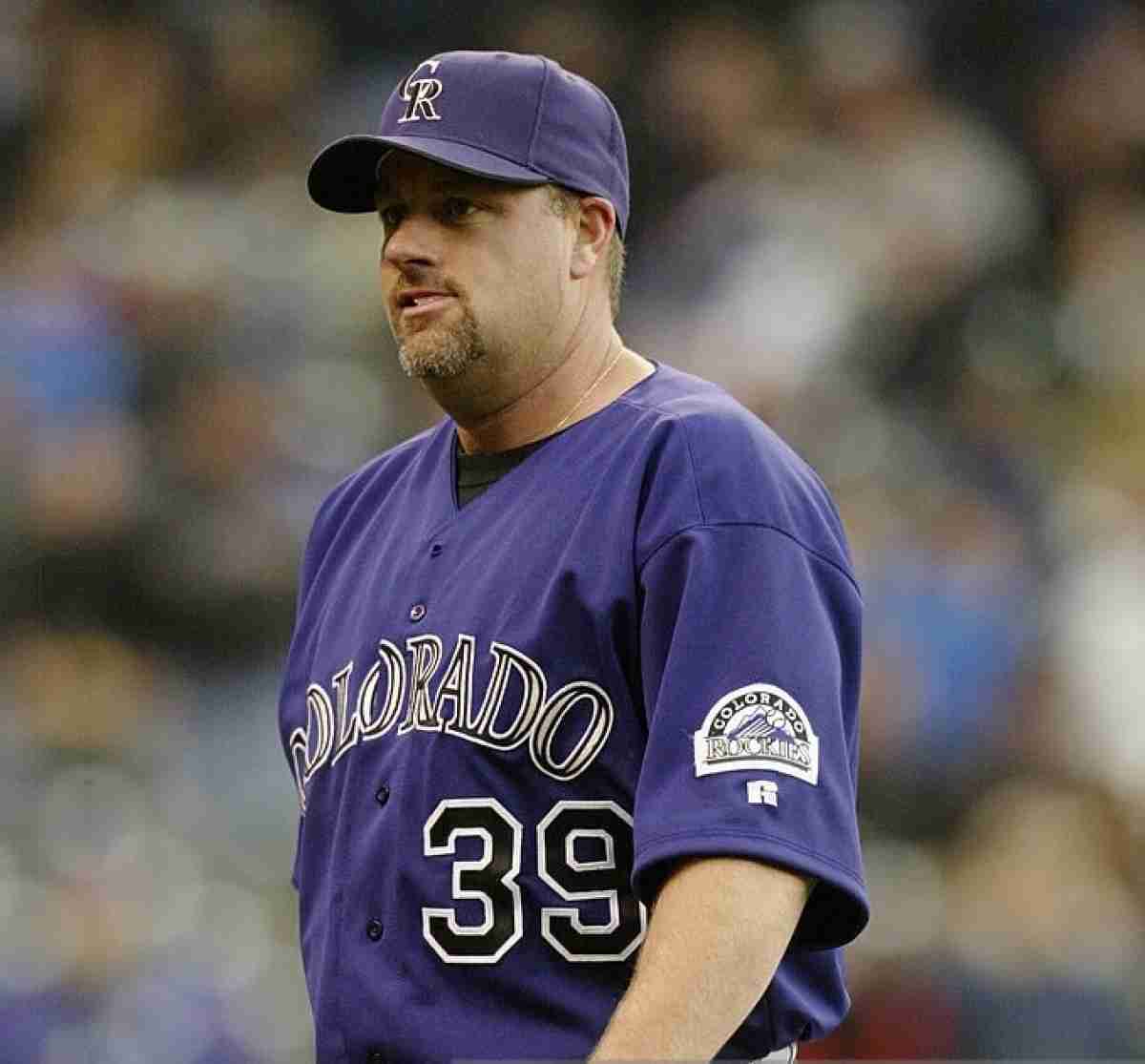
A side-arming right-hander with a specialized sinker, Reed arrived as an original member of the franchise via the 1992 Expansion Draft and proceeded to become the gold standard for bullpen durability in the thin air. For most of the 1990s, he was the man the Rockies turned to when the lead was slim, and the altitude was threatening to turn a routine fly ball into a disaster.
Reed’s tenure in Denver was defined by remarkable professional resilience, as he took the ball more often than any of his peers. He established a level-headed consistency that was rare for a pitcher navigating the pre-humidor era of Colorado baseball, specializing in inducing the ground balls necessary to survive at altitude. He reached a statistical peak in durability during the 1994 campaign, leading the National League with 61 games pitched and serving as the primary tactical engine of the Rockies' relief corps. He possessed a deceptive, low-slot delivery that neutralized both right and left-handed hitters, providing the high-leverage stability required to bridge the gap to the ninth inning.
The most profound aspect of his craftsmanship was his sheer volume of work. Reed appeared in a franchise-record 461 games across two separate stints in a Rockies uniform, a total that reflects a decade of being the organization's most trusted middle-relief option. He was a model of high-frequency efficiency, appearing in over 60 games across four seasons for Colorado and maintaining a respectable ERA despite the era’s extreme offensive environment. He proved that a player could become a franchise pillar by mastering the specialized, often-overlooked art of the "bridge" reliever, showing a workmanlike approach that allowed him to log over 500 innings for the club.
With the Rockies, Reed compiled 461 appearances and 544.1 innings.

Comments powered by CComment