
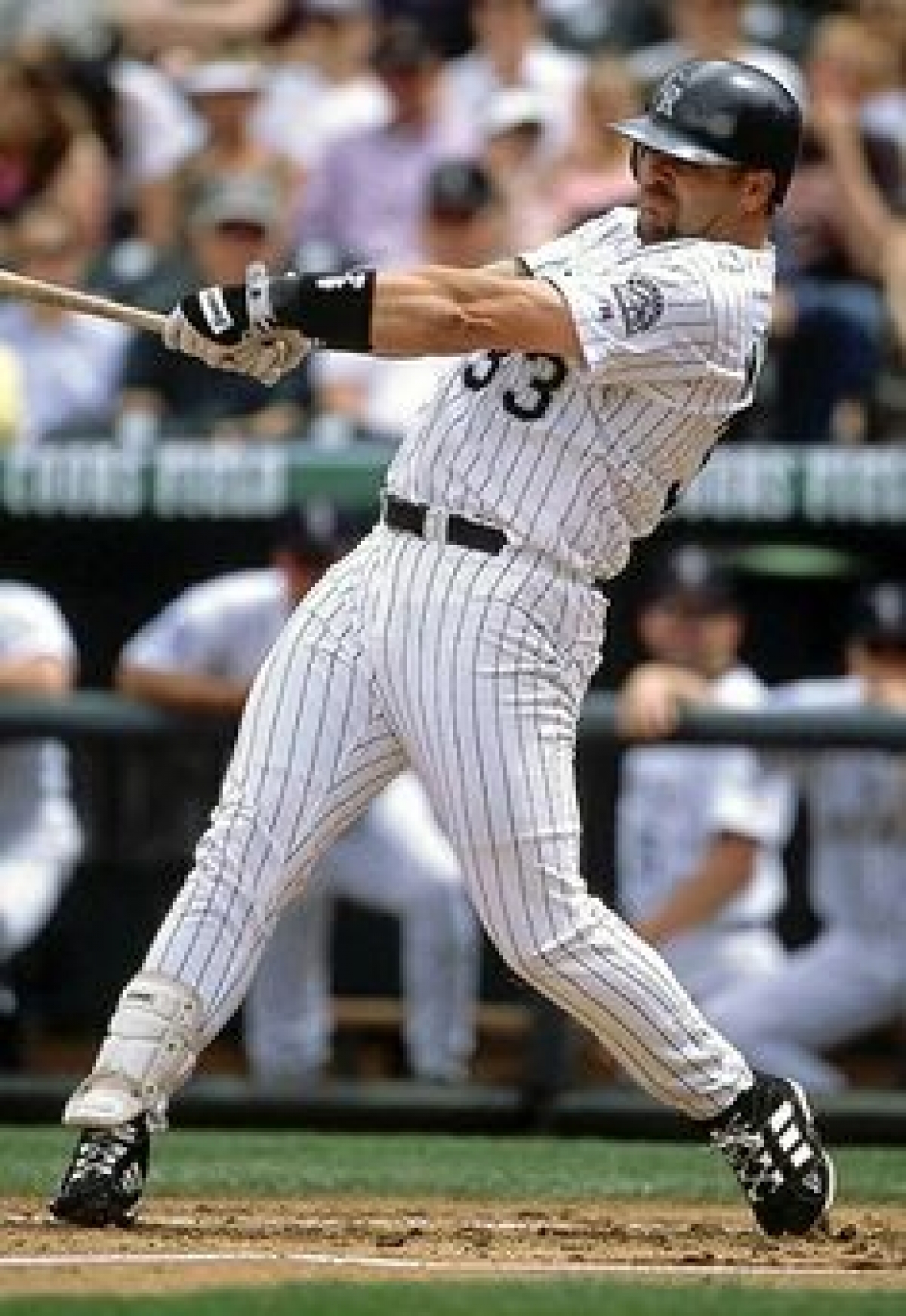


Colorado’s front office secured one of the greatest free-agent prizes in team history when it brought the Maple Ridge native to the Rockies in 1995. Walker brought a rare combination of gold-glove defense, elite speed, and a left-handed stroke that seemed perfectly calibrated for the gaps of Coors Field. He quickly matured into the most feared hitter in the "Blake Street Bombers" lineup, proving that he was a generational talent who could impact the game in every phase. He wasn't just a slugger; he was a pure baseball technician who understood how to use the entire field.
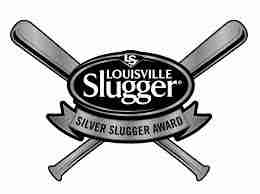
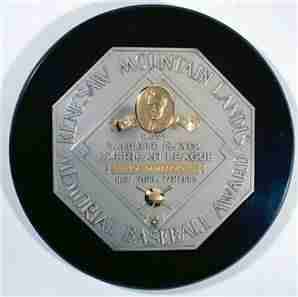
His tenure reached a historic crescendo in 1997, a season that stands as one of the most complete individual performances in the modern era. Walker captured the National League MVP award after blasting a league-leading 49 home runs and posting a staggering .366/.452/.720 slash line. This wasn't a one-off peak, but rather the start of a period of greatness. He would go on to win three batting titles in a Rockies uniform and post four separate seasons with a batting average above .350. His power numbers were undeniable, as he eclipsed a 1.000 OPS in five different campaigns, proving that his productivity was among the most elite in the sport's history.
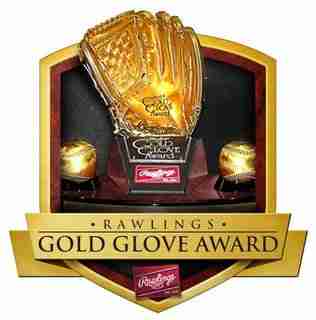
Beyond the gaudy offensive numbers, Walker was rooted in his status as a complete athlete. He was a perennial threat on the basepaths and a defensive vacuum in right field, capturing five Gold Gloves during his time in Denver. While other players may have logged more years in a Rockies uniform, the argument for Walker as the best pure hitter to ever represent the city is bolstered by his incredible efficiency. He didn't just accumulate stats; he dominated his peers in every meaningful category, leading the league in slugging percentage twice and on-base percentage once during his stay.
The long-running debate regarding the "Coors Field effect" famously stalled his momentum with national voters for years. However, the sheer weight of his production, a career .313 average and 383 home runs, eventually shattered the stigma. In 2020, during his tenth and final year of eligibility, the call from Cooperstown finally arrived, making him the first player to enter the Hall of Fame as a member of the Rockies. The organization followed suit in 2021 by retiring his number 33, ensuring that the most decorated individual in franchise history would be forever honored.

Comments powered by CComment