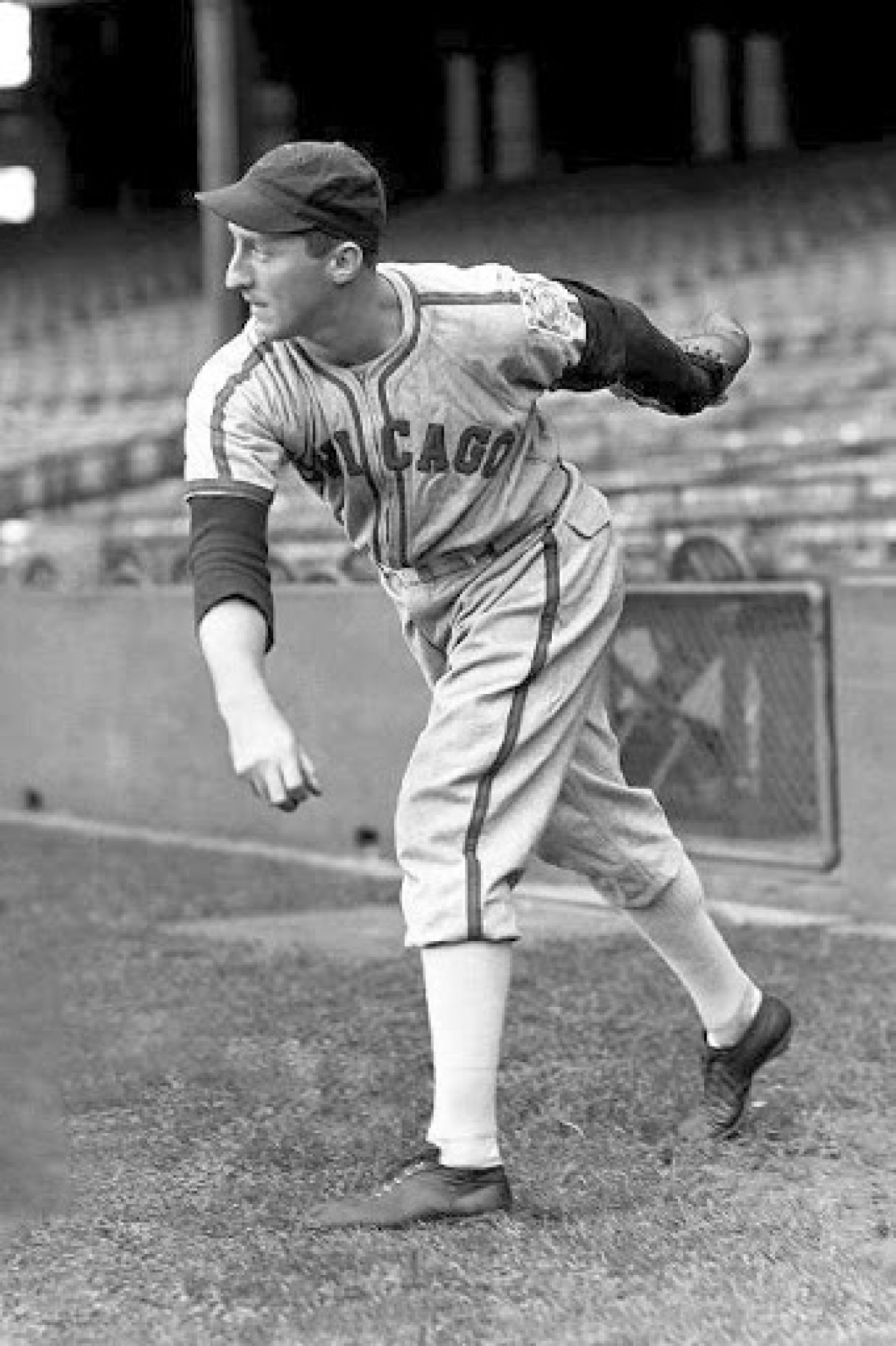
Johnny Rigney’s journey in Chicago began in 1937, but it was the 1939 campaign when he instantly matured into a cornerstone of the franchise. He arrived with a "live" arm and a clinical approach to hitters, evolving from a prospect into a statistical titan by the time he was 24. Between 1939 and 1941, Rigney was a model of consistency, winning at least 13 games in each of those three seasons while serving as the tactical heartbeat of a White Sox staff that relied on his ability to miss bats.
The absolute pinnacle of his career was marked by a rare, high-ceiling efficiency that made him a perennial threat in the American League. During that dominant three-year stretch, Rigney was a master of run suppression, consistently finishing in the top ten in WHIP and the top four in strikeouts. Most impressively, he maintained a sophisticated control of the strike zone, finishing sixth in strikeout-to-walk ratio in each of those campaigns. He wasn't just a thrower; he was a high-leverage technician who used his power to navigate the dangerous lineups of the late 1930s, accumulating 605 strikeouts during his stay and proving that his value was rooted in a rare balance of raw strength and professional poise.
His identity was synonymous with a quiet, career-long loyalty to the organization, but the momentum of his career reached a sudden crossroads in 1942. Like so many of his contemporaries, Rigney traded his White Sox pinstripes for a U.S. Military uniform, sacrificing four of his prime athletic years to the war effort. When he finally returned to the mound in 1946, the time away had taken its toll; the "lightning" that once defined his fastball had faded, and he managed only two more seasons before retiring in 1947. He concluded his journey with 63 wins, a total that remains a testament to what he achieved, and a poignant reminder of what might have been had history not intervened.
Comments powered by CComment