
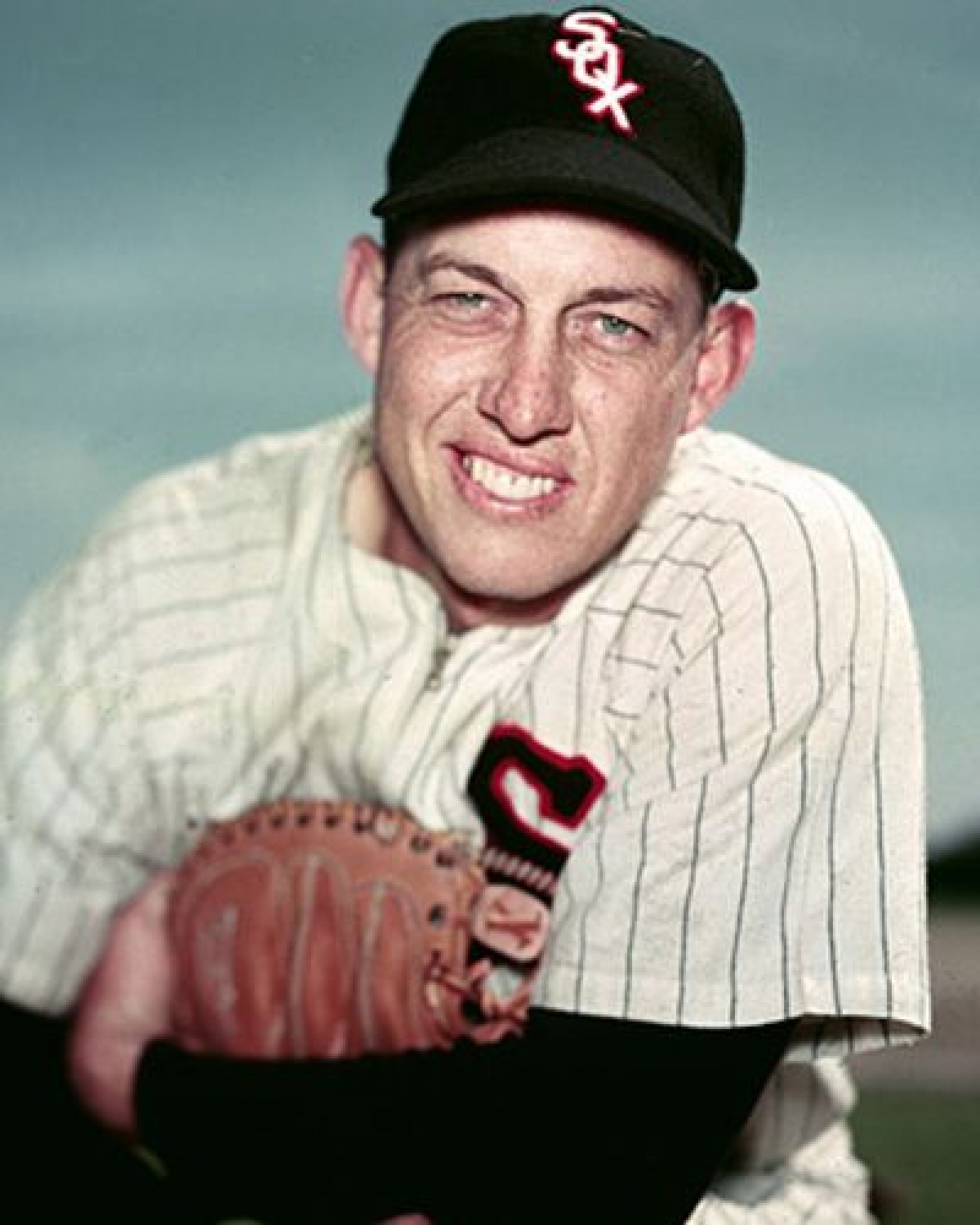
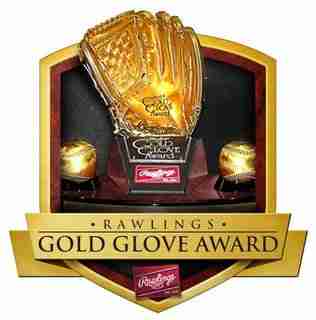


Chicago’s defensive identity in the 1950s was anchored by a man whose preparation and poise made him the envy of every pitching staff in the junior circuit. Lollar arrived in 1952 via a trade with the Browns and matured instantly into the undisputed leader of the clubhouse. His ability to handle a staff and his individual brilliance were officially recognized in 1957, when he became the inaugural winner of the Gold Glove Award, a single honor for both leagues, and followed it up by capturing the first two Gold Gloves ever awarded specifically to American League catchers.
Reliability at the plate provided a vital secondary layer as a player. While Berra garnered the headlines for his power, Lollar held his own as a productive offensive force, rattling off five seasons of at least 100 hits and twice eclipsing the 20-home run mark for the White Sox. He was a six-time All-Star in Chicago, providing a high-leverage bat in a lineup that prioritized speed and defense. He arrived as a respected veteran and finished his South Side tenure with 1,122 hits and 124 home runs, a volume of production that made him the premier two-way catcher in the franchise's modern history.
The peak of his baseball career arrived in 1959, as he guided the White Sox to their first pennant in forty years. Lollar’s ability to navigate a diverse pitching staff was the primary engine of that championship run, proving that a catcher's true value is often found in the runs he prevents rather than the ones he drives in. He was the quintessential "field general," a player who understood the psychological nuances of the mound as well as he understood the mechanics of the swing.
Consistency remained his hallmark until the conclusion of his career following the 1963 season.

Comments powered by CComment