
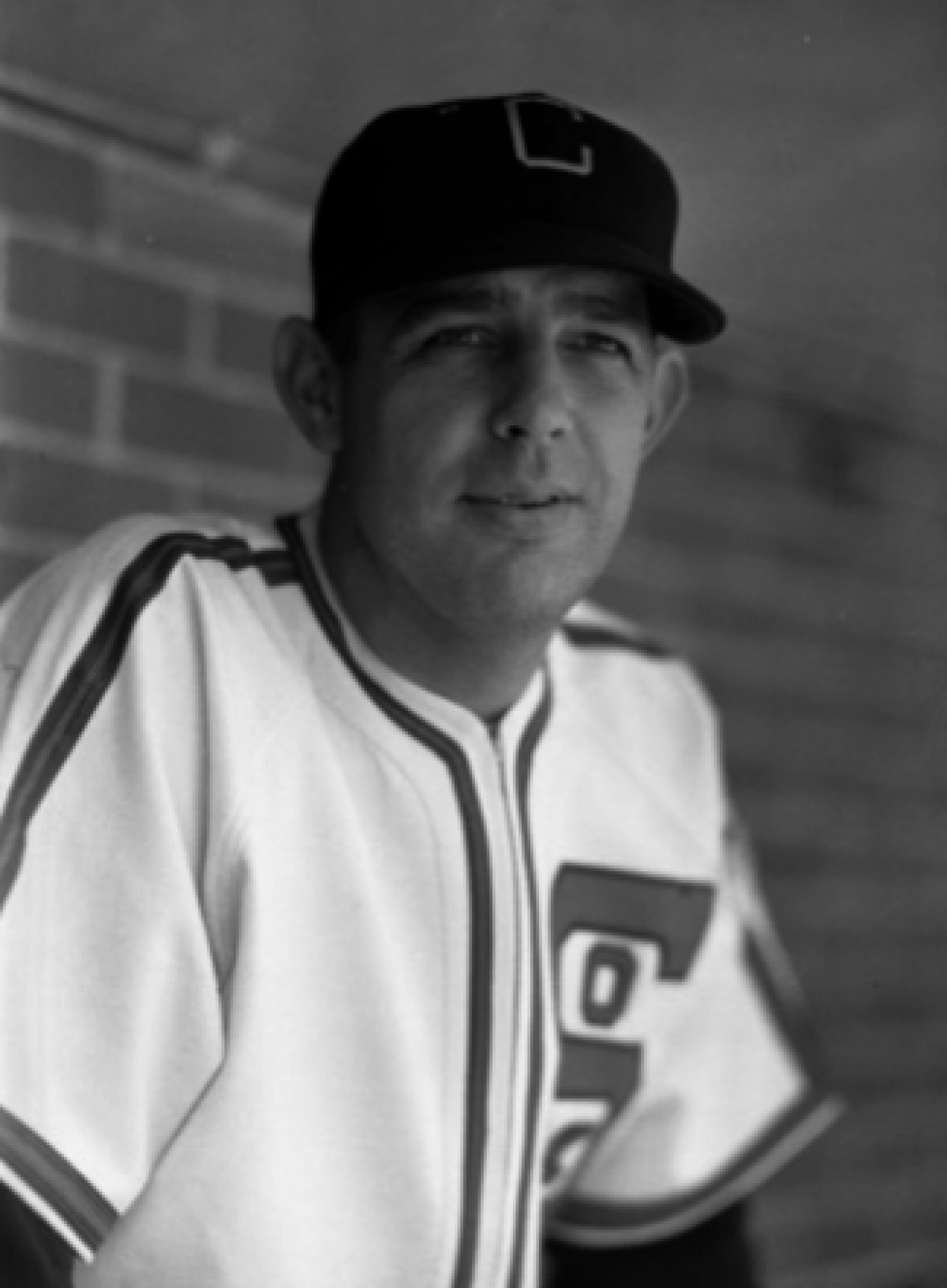



When Thornton Lee arrived in Chicago via a trade with Cleveland in 1937, he was already 30 years old and carried the label of a journeyman. His time with the Tribe had been largely forgettable, but the change of scenery to the "Pale Hose" acted as a catalyst for a mid-career evolution. He didn't just find a spot in the rotation; he became its primary engine. In his first full season in the Windy City, he posted a 12-10 record, and by 1938, his underlying value began to surface. While his traditional stats were respectable, he led all major league pitchers in bWAR (5.5) that season, proving he was doing more with less than any other arm in the game.
The peak of his residency, and one of the most dominant individual seasons in franchise history, arrived in 1941. At the age of 34, Lee staged a masterclass in efficiency that defied his age. He was an All-Star who once again paced the American League in bWAR with a staggering 8.6 mark, while capturing the ERA title (2.37) and leading the league in ERA+ (174) and WHIP (1.165). He finished fourth in the MVP voting and established himself as the premier left-hander in the junior circuit. He arrived as a cast-off and transformed into the most dangerous weapon in the Chicago arsenal.
However, the middle chapter of his journey was hampered by the onset of World War II and a mounting list of physical ailments. While Lee remained stateside during the conflict, his body began to betray the heavy workload of his peak years. He struggled with ineffectiveness for much of the early 40s, though he managed one final gasp of brilliance in 1945, grinding out a 15-win season at the age of 39. It was a final display that had made him so valuable, showing that even with diminished velocity, his tactical mind could still navigate a big-league lineup.
The final walk toward the exit came after the 1947 season. At the age of 41, the White Sox made the difficult decision to cut ties and release the veteran southpaw. He left Chicago with an even 104-104 record, a stat that serves as a reminder of how often he pitched brilliantly for teams that struggled to provide him with run support.

Comments powered by CComment