
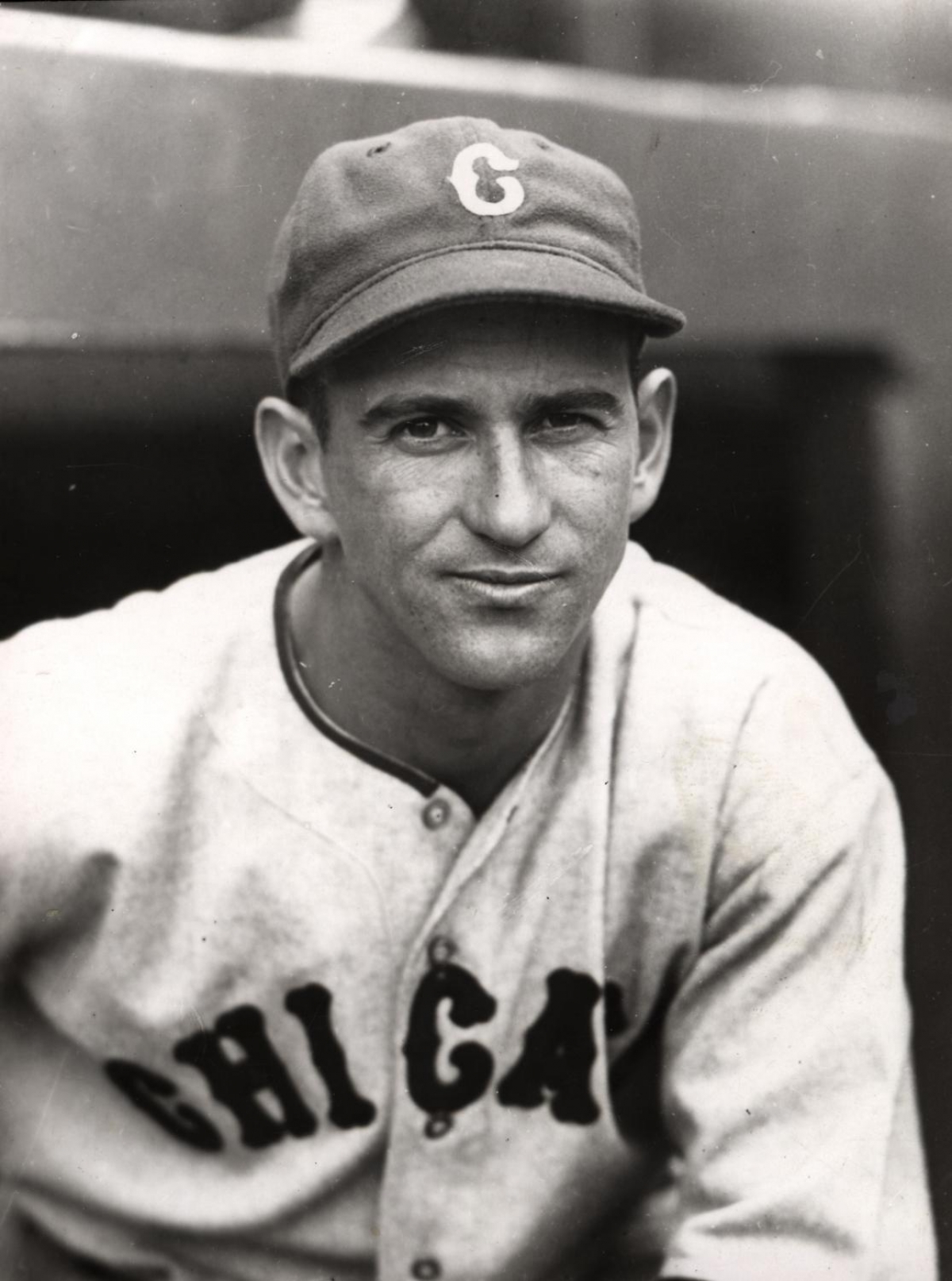


When Luke Appling arrived in Chicago in 1930, he didn't exactly set the world on fire. Purchased from Atlanta for a modest sum, he spent his first few years struggling to adjust to Big League pitching, batting a mere .232 in his first full season. However, by 1932, the White Sox handed him the keys to the shortstop position and the leadoff spot, beginning a transformation from a struggling prospect into the most difficult "out" in the American League. Appling developed a legendary, almost irritating ability to spoil good pitches, fouling off ball after ball until he got exactly what he wanted.
The peak of this "nuisance" style arrived in 1936, a season that remains arguably the greatest offensive year ever recorded by a modern shortstop. Appling flirted with the magic .400 mark all summer, eventually settling for a staggering .388 batting title and a .474 on-base percentage. He finished second in the MVP race to Lou Gehrig that year, proving that you didn't need to hit home runs to be a superstar; you just needed to never stop touching first base. Even his defense, which was often criticized for a high error count, was secretly elite; modern metrics suggest his range and speed allowed him to reach balls other shortstops wouldn't even smell, leading the league in assists multiple times.
The middle of his story was interrupted by the call of duty, as Appling spent nearly two years in the military during World War II. While many expected a player in his late 30s to return a shell of his former self, "Old Aches and Pains" defied the aging curve. He returned in 1945 and continued to hit well over .300 into his 40s. His nickname was a testament to his personality—he famously grumbled about every minor ailment, from a sore thumb to a head cold, yet he somehow managed to play 2,422 games in a White Sox uniform, a franchise record that still stands today.
Appling’s run with the team ended in 1950, marking a 20-year journey during which he collected a franchise-record 2,749 hits. He arrived as a raw kid from the Southern Association and left as "Mr. White Sox." His legacy was eventually immortalized in Cooperstown in 1964, and with the retirement of his number 4 in 1975. He proved that durability often wears a cranky face, and that there was no better way to lead a franchise than by simply refusing to go away.

Comments powered by CComment