
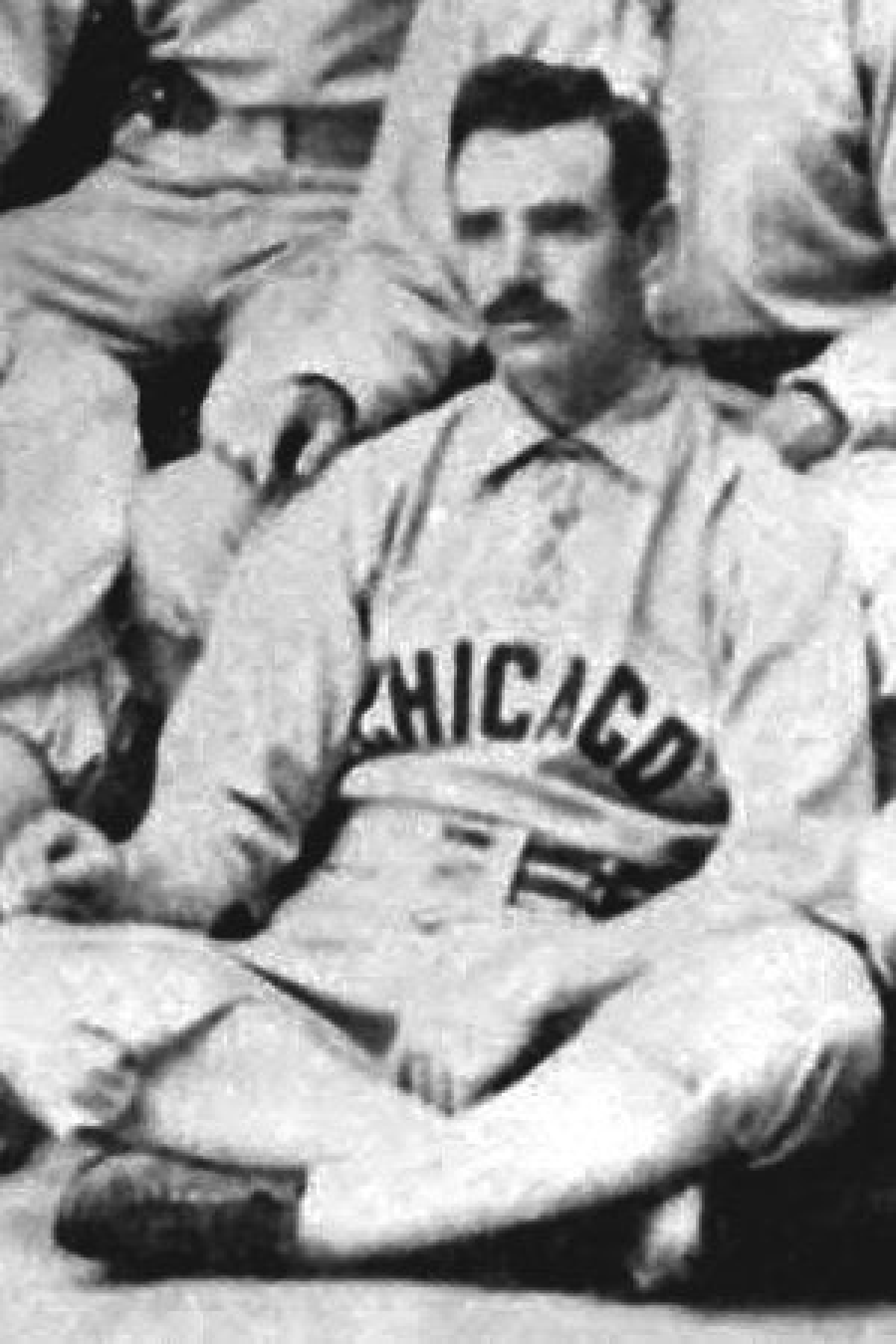
When Clark Griffith arrived in Chicago in 1893, he joined a franchise transitioning from the legendary Cap Anson era to a new identity. Standing just 5'6", Griffith lacked the imposing physical presence of his peers, but he possessed a shrewd intellect and a diverse arsenal that more than made up for it. He was an innovator of deception, utilizing a quick pitch and a variety of deliveries that kept hitters in a state of permanent frustration. He arrived as a young hurler with an immense workload ahead of him and quickly established himself as the most reliable arm in the National League.
The middle chapter of his Chicago residency was a masterclass in metronomic consistency. From 1894 to 1899, Griffith rattled off six consecutive seasons of at least 21 wins, a feat of durability that anchored the Chicago Colts (and later the Orphans). In 1898, he reigned as the National League’s ERA leader with a microscopic 1.88 mark and led the league in WHIP. He was a workhorse in the truest Deadball sense, eclipsing 300 innings pitched in five of those six seasons, proving that his "Old Fox" guile could keep him effective long after more powerful arms had withered.
However, Griffith’s legacy in Chicago is also defined by his role as a revolutionary. As the 1900 season concluded, he became a central figure in the labor movement of the era, leading an uprising against the National League’s salary ceiling. This friction eventually led to the most significant exit in Chicago baseball history. Griffith didn't just leave the Orphans; he actively helped organize the rival American League, "jumping" to the crosstown Chicago White Stockings (White Sox) and convincing many of his peers to join him. It was a move that fundamentally altered the sport's landscape, legitimized the junior circuit, and made Griffith a founding father of the modern game.
The final walk toward the exit of his playing days led him into a legendary career as a manager and owner, most notably with the Washington Senators. But the North Side never forgot the man who had been their ace for nearly a decade. In 1946, the Veterans Committee ushered him into Cooperstown as a Pioneer and Executive, a nod to his lifelong dedication to the sport. Decades later, the Cubs formally reclaimed his on-field brilliance by inducting him as part of their inaugural franchise Hall of Fame class in 2021.

Comments powered by CComment