
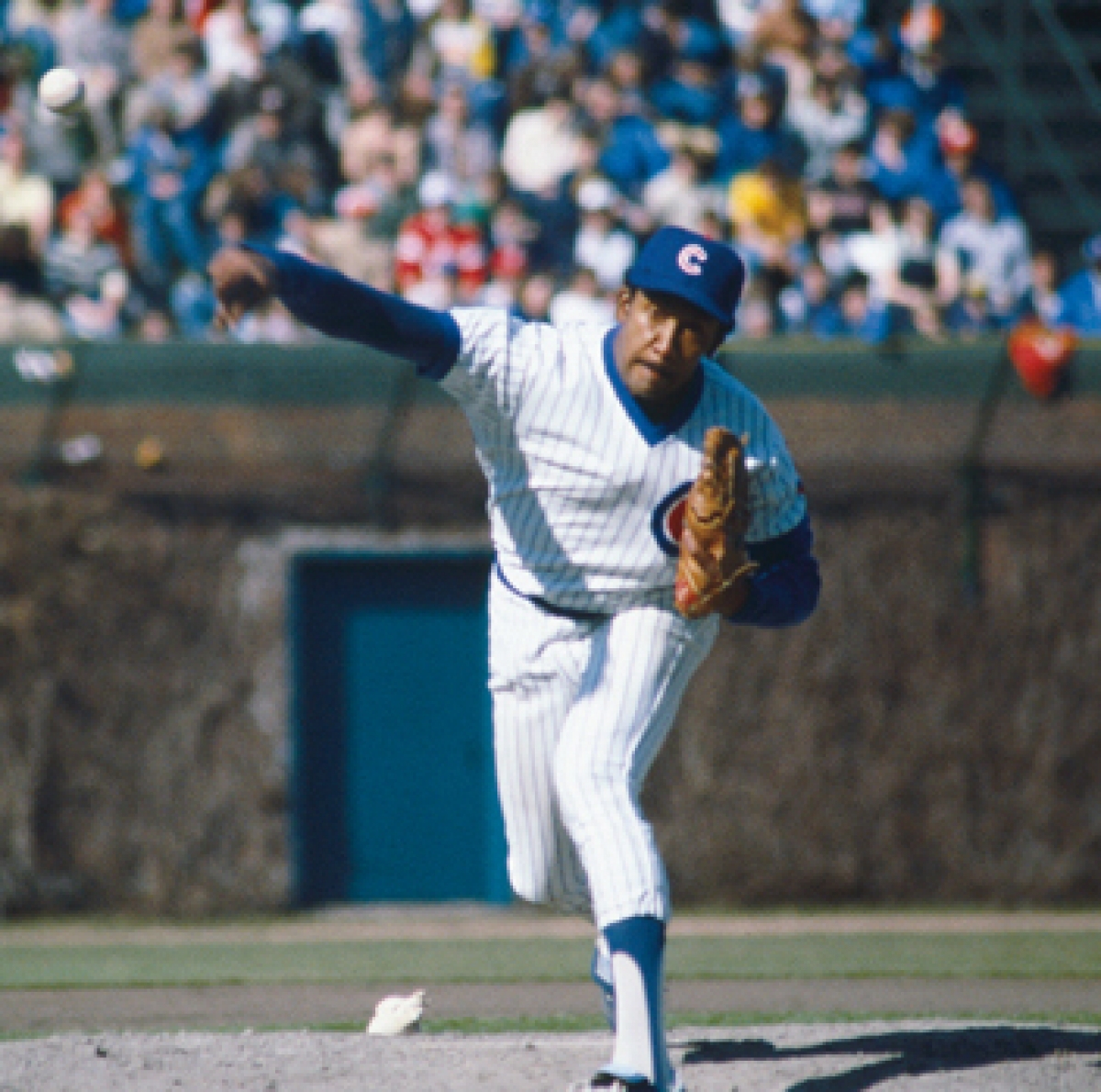










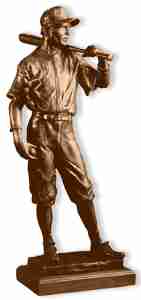





When Ferguson Jenkins arrived in Chicago in 1966, the Philadelphia Phillies thought they were trading away a spare part. Instead, they handed the Cubs the greatest pitcher in the history of the franchise. Jenkins didn’t just break out in 1967; he detonated, winning 20 games and signaling the start of a six-year reign of durability that has few parallels in the modern game. For a generation of Cubs fans, a Jenkins start meant one thing: the bullpen could take the afternoon off.
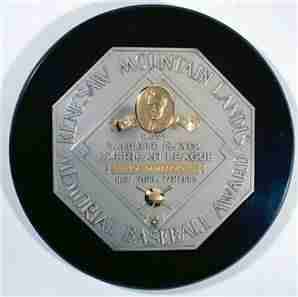
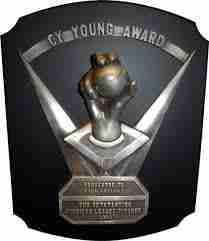
His run was defined by a surgical, almost defiant precision. In an era of flamethrowers, Fergie was a master of command. From 1967 to 1972, he rattled off six consecutive 20-win seasons, a feat of pure stamina that seems impossible by today’s standards. The apex of this "Workhorse Era" arrived in 1971, a season in which he led the league with 24 wins and 30 complete games, capturing the National League Cy Young Award. He wasn't just winning; he was embarrassing hitters with his control, leading the league in strikeout-to-walk ratio for three straight years. While he was occasionally susceptible to the long ball at Wrigley, it was a byproduct of his aggression; he challenged every hitter, every time, and more often than not, he won.
After a productive detour in Texas and Boston, the story came full circle in 1982. Jenkins returned to the North Side for a two-season encore, a veteran "statesman" run that allowed a new generation of fans to witness the tail end of his brilliance. He retired in 1983 as the franchise leader in strikeouts (2,038) and WHIP (1.123), a testament to his refusal to give away free passes.
The final chapters of the Jenkins epic were written in gold. He became the first Canadian-born player inducted into Cooperstown in 1991, and in 2009, the Cubs finally hoisted his number 31 to the foul pole, sharing the honor with fellow legend Greg Maddux. When the team unveiled a statue of him outside Wrigley Field in 2022, it was the final, permanent acknowledgement of what the record books already showed: Ferguson Jenkins was the standard by which all other Chicago hurlers are measured. He arrived as a trade-market afterthought and left as onr the finest hurlers in club history.

Comments powered by CComment