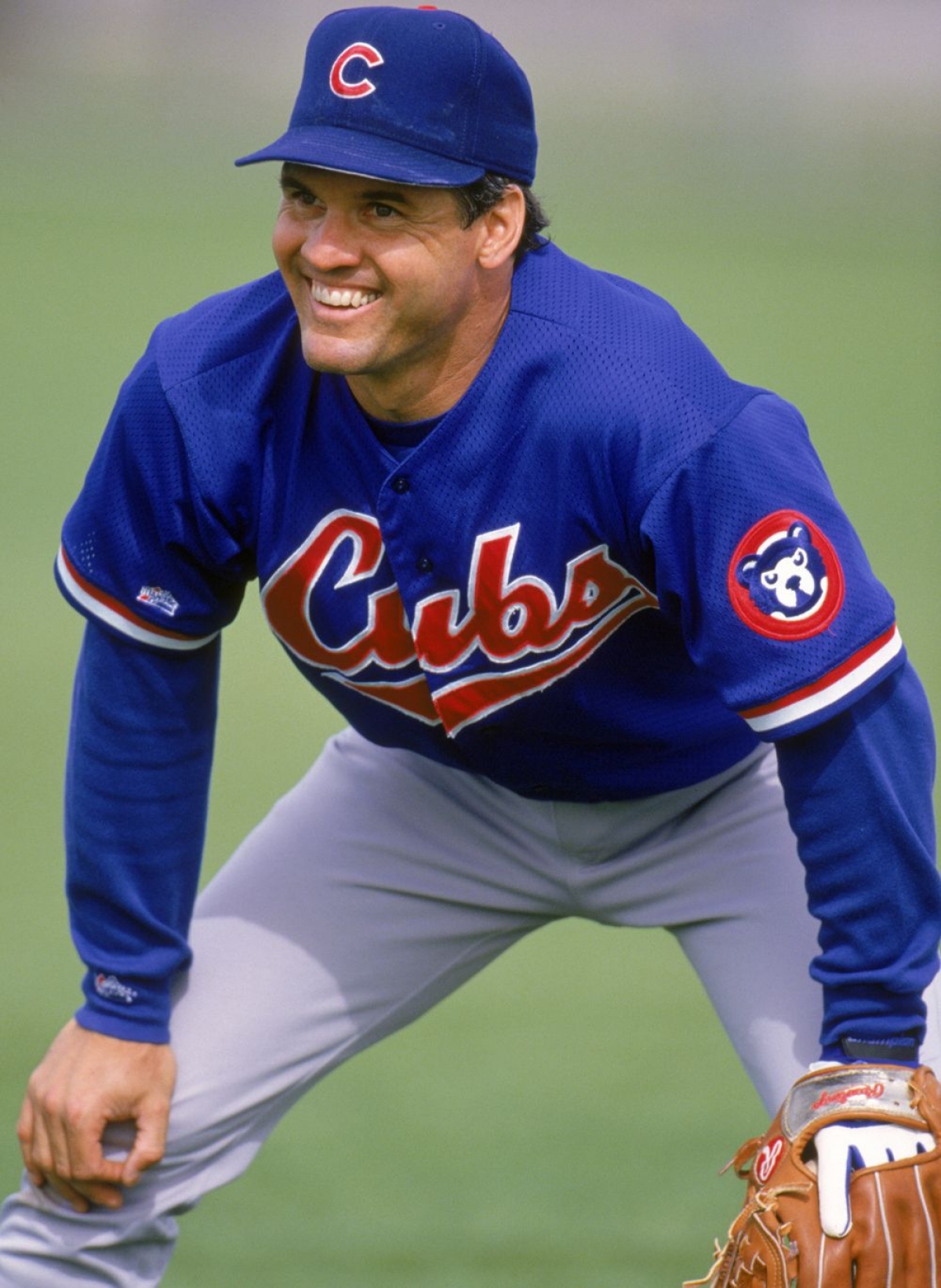
Ryne Sandberg’s journey to Wrigley Field began as a footnote in what would become one of the most lopsided trades in baseball history. When the Cubs sent Ivan DeJesus to Philadelphia in 1982, they weren't just looking for veteran shortstop Larry Bowa; they were secretly eyeing the young, versatile outfielder the Phillies were willing to throw in. That "extra" player, Ryne Sandberg, arrived in Chicago as a man without a fixed position, bouncing from the outfield to third base before finally finding his permanent home at second. It was a move that didn't just solidify the Cubs' infield; it altered the trajectory of the franchise.
The transformation was immediate. By 1983, Sandberg had secured the first of nine consecutive Gold Gloves, proving that his defensive range was as elite as his instincts. But the true arrival, the moment "Ryno" became a household name, was the legendary "Sandberg Game" in June 1984. On a national stage, he launched two game-tying home runs off Hall of Fame closer Bruce Sutter, a performance that served as the engine for his National League MVP campaign. He finished that year leading the league in triples and runs scored, beginning a streak of ten consecutive All-Star appearances and proving that the "lovable losers" era was officially over.
Sandberg was the heartbeat of the North Side for over a decade. While his early years were defined by speed and defensive brilliance, he evolved into a premier power threat at the turn of the decade, launching 40 home runs in 1990 to lead the National League. He was the rare second baseman who could beat a team with a glove, a stolen base, or a walk-off blast.
Then came the unexpected detour. Feeling he could no longer meet his own high standards, Sandberg abruptly retired in 1994. But the pull of Wrigley was too strong; he returned for a final two-season encore in 1996, proving he could still compete at the highest level before retiring for good in 1997. He left the game with 282 home runs, at the time, a record for his position, and 2,385 hits. His number 23 was hoisted onto the foul pole in 2005, the same year he entered Cooperstown, and in 2024, the team unveiled a statue of the man who started as a "throw-in" and ended as an immortal. He arrived as a question mark from Philadelphia and left as a cornerstone of Chicago history.
Comments powered by CComment