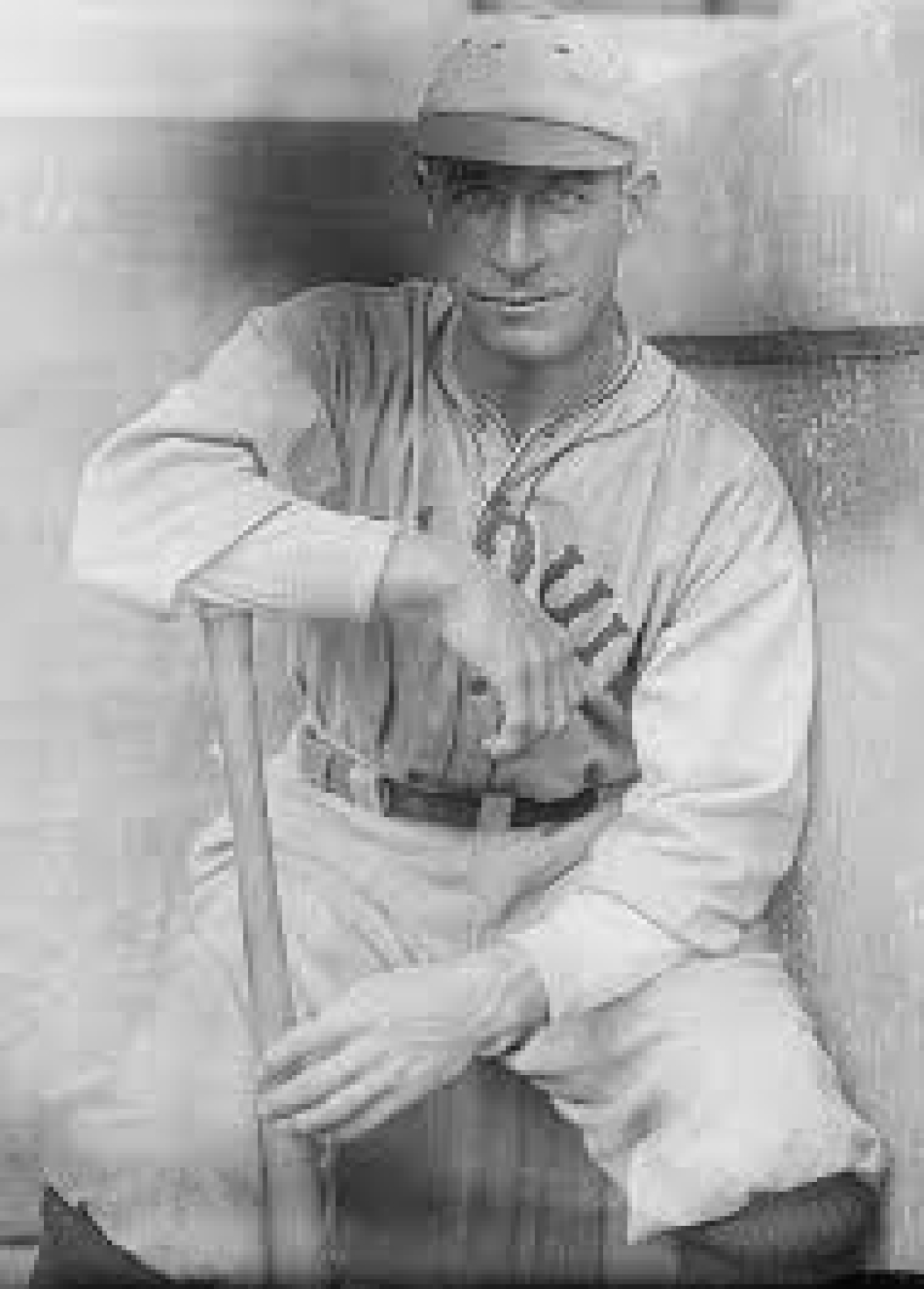
In the gritty, swing-at-everything culture of the 1910s, Burt Shotton was a tactical outlier. Serving as the catalyst for the St. Louis Browns for seven seasons, Shotton weaponized a rare brand of plate discipline that made him one of the most difficult outs in the American League. While he never hit for the high averages of a Ty Cobb, his ability to manipulate the strike zone made him a premier table-setter for the era.
He led the American League in Walks twice and posted an incredible On-Base Percentage over .390 on four separate occasions. At a time when slugging was non-existent, Shotton’s OBP was a massive "Efficiency Outlier," consistently placing him among the league leaders in runs created.
On the basepaths, Shotton was a high-risk, high-reward engine. He reeled off a four-year streak of stealing at least 40 bases (peaking at 52 in 1916), though his aggressive style often led to being caught at a high clip—a byproduct of the Browns' desperate need to manufacture runs. While his defensive metrics were occasionally marred by errors in the outfield, his durability and durability were unquestioned, as he amassed 1,070 hits in a Browns uniform.
Inducted into the lore of the franchise as one of its most cerebral early stars, Shotton’s legacy is defined by his patient eye and relentless speed.
Comments powered by CComment